

There was a recent article in the Basingstoke Gazette that described proposals by Taylor Wimpey to continue the expansion of housing development into open countryside north of Chineham. The proposed housing estate lies on the west side of Cufaude Lane in the parish of Bramley, immediately adjacent to another housing estate-in-the-making known as Upper Cufaude Farm.
Anyone familiar with the location and previous Toad Rage blogs will know that this cuts right across an important traditional migration route for Common Toads and other amphibians. In years gone by, amphibian migration took place along a broad front on Cufaude Lane, roughly 1km long. However, in recent years, developments along this formerly rural byway have meant that migration patterns are changing. The open countryside proposed for development by Taylor Wimpey is fast becoming the most strategically-important route for migrating amphibians.
If undertaken in its current form, and without consulting those who understand the biodiversity significance of the area, Taylor Wimpey’s housing estate has the potential to drive a local population of Common Toads to extinction, along with a whole host of other open countryside species.
However, if an informed and enlightened approach were to be adopted by the developers (and those within Basingstoke and Deane Borough Council whose job it is not only to plan for houses, but also to plan strategically) the outcome could be very different. All parties need to recognise that it is not a binary choice between the natural world and housing (and development in the wider sense). They are two sides of the same coin and development can and should be seen as an opportunity to both protect our natural world and enhance it.
To provide context, despite the implication of the name, Common Toad populations in the UK have declined by nearly 70% in the past 30 years and many formerly-thriving populations in north Hampshire are now extinct. Little surprise then that, in legal terms, Common Toads are among many animals and plants that are defined by government as a Species of Principal Importance. This means that material consideration has to be given to them as part of the planning process, along with species that have elevated protection in law.
As further background, Common Toads and other amphibians breed in freshwater but spend the rest of their lives on land. A significant proportion of the populations in the Cufaude Lane area migrate from terrestrial habitats on the east side of the road to breeding ponds on the west. This means they have to run the gauntlet of being squashed by cars as they cross the road. Over the past few decades, rampant development in the area has meant a huge increase in traffic with catastrophic consequences for the animals.

The Cufaude Lane Amphibian Rescue Group CLARG has been operating for a decade or more and rescues as many Common Toads, Common Frogs, Smooth Newts and Great Crested Newts as possible from being flattened by traffic during the 6-week spring migration. Thousands of amphibians have been saved over this period but, despite the best efforts of volunteers, around 30% of all animals that attempt the crossing are killed.

Some years ago, a Toad Tunnel was installed under Cufaude Lane in an attempt to reduce carnage on a particularly dangerous stretch of road for volunteer patrollers. Unfortunately, it was not successful: the precise location was inappropriate; it was subject to seasonal flooding at migration times; and it was vandalised. Unsurprisingly, the tunnel was not adopted by Common Toads or any other amphibians.
In addition to the proposed Taylor Wimpey development, another housing estate (Upper Cufaude Farm UCF, a 300+ dwelling development) that affects Common Toads and other open countryside species has been granted planning permission. The UCF developer (Croudace Homes) is currently evaluating how to deal with the impact of their development on Common Toads. Taylor Wimpey also has a legal requirement to provide mitigation or compensation for Common Toads and other open countryside Species of Principal Importance present in the area. This information will need to be provided when they reveal their plans for 265 homes in more detail.
Without co-ordinated planning and a strategic environmental vision on the part of the council and developers, the combination of these two developments will inevitably contribute to the inexorable slide towards extinction of the area’s Common Toads and other amphibians.
While it is important that Common Toads are a key focus of attention, it should be remembered that a host of other open countryside species, including those with similar conservation status, will be adversely affected by the development and many will be driven to local extinction. Put simply, most open countryside birds, mammals, invertebrates and plants cannot survive in housing estates.

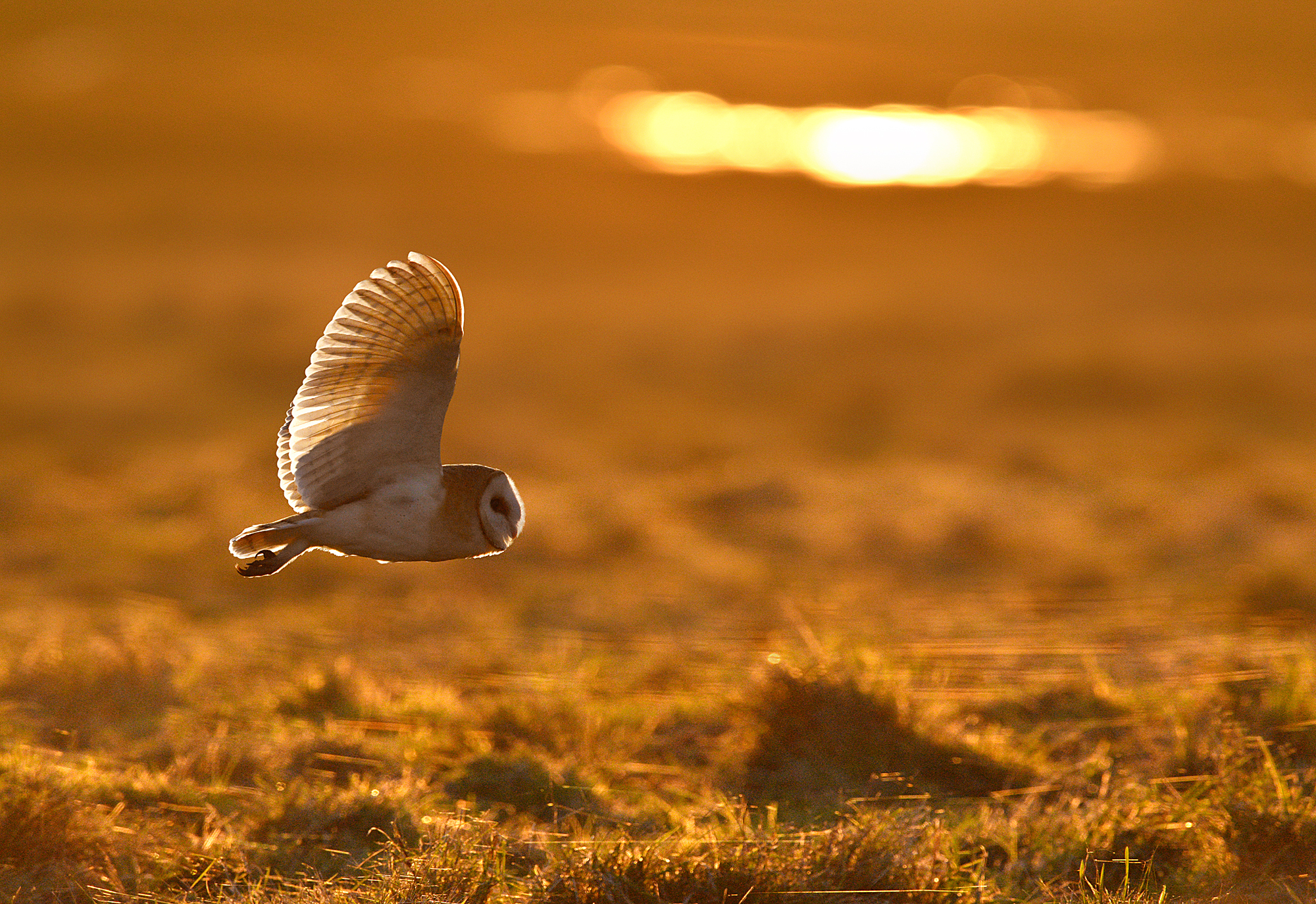
To demonstrate that the land framing Cufaude Lane is important for open countryside species, here is a selection of the Priority Species of Principal Importance (section 41, NERC Act) recorded in the area over the last decade: Skylark, Linnet, Cuckoo, Yellowhammer, Reed Bunting, Spotted Flycatcher, House Sparrow, Grey Partridge, Marsh Tit, Bullfinch, Dunnock, Song Thrush, Starling, Lapwing, Barn Owl, Hedgehog, Brown Hare, Harvest Mouse, Noctule, Soprano Pipistrelle, Brown Long-eared Bat, Slow-worm, Grass Snake and Common Lizard. In addition, species with protection under the Wildlife and Countryside Act, and recorded in the area, include Hazel Dormouse and Great Crested Newt along with all species of bats.
As a result of discussions involving concerned environmental parties, a strategic environmental plan has been formulated that would be a genuine win for the environment while satisfying the desire to build houses at pace. It involves the creation of a wildlife-only green corridor on land currently being developed and proposed for development, plus the dedication of an adjacent field (owned by Hampshire County Council) as a nature reserve haven, serving as offsite compensation (to use the planning jargon) for Cufaude Lane’s soon-to-be-dispossessed open countryside species.

Above: maps adapted from Google Maps, showing the locations of ongoing and proposed developments adjacent to Cufaude Lane (left); plus a strategic proposal that would deliver genuine benefits to the natural world (right). 1: Hampshire County Council-owned land – proposed as a nature reserve, to safeguard toad migration and as offsite compensation regarding loss of habitat for open countryside species caused by the developments. 2: Proposed nature-only wildlife corridor land designed to enhance biodiversity and provide additional safeguarding for amphibian migration. Red arrows indicate the spring migration route for Common Toads and other amphibians; migration occurs in the reverse direction in autumn.
With a touch of irony, the offsite nature reserve solution relates to HCC-owned land that has recently been rejected as a site for future housing in Basingstoke & Deane. Were this enlightened solution to be adopted, there would an unexpected benefit for both developers and the council: it has the potential to allow an increase in the number of dwellings on the combined sites (50 or so, by my back-of-a-fag-packet calculations) without increasing the density of housing on the site overall.
As an aside, Hampshire County Council owned Upper Cufaude Farm on which Croudace Homes is building its own housing estate.
An opportunity has presented itself that would allow more homes to be built alongside the creation of a linked-up space for nature. Shame on all of us if this opportunity is squandered. And just imagine the PR and social media nightmare that those involved would face if the consensus of opinion was that predicted and avoidable local extinctions occurred because the environment was not protected in a meaningful way.
 nplsecondnature.com
HCC produces some wonderfully presented reports about their care for the Hampshire landscape and all their initiatives.It is so often a case of
LikeLike