


I have written before about the sense of betrayal I feel on behalf of our natural world, which is being treated with contempt by the current Labour Government. I am disappointed but not entirely surprised by their approach, given the level of ignorance and disdain revealed by their rhetoric and stated goals. However, what really shocks me is silence bordering on complicity amongst the ranks of some conservation organisations and charities, particularly when it comes to the Planning and Infrastructure Bill.
The likelihood is that anyone reading this will be familiar with the principles of the Bill, and in particular the shockingly anti-nature Part 3. However, what some may not appreciate is that it has reached a time-critical stage in its legislative progress.
Thanks to sterling work by Peers and a select band of conservation and professional organisations there is a chance that amendments 130 and 94, if adopted, will limit the harm the Bill will do to wildlife and the natural world.
Amendment 130 limits the scope of the Bill to dealing with diffuse issues like nutrient pollution only, and prevents the powers that it contains from being used to directly destroy protected sites and the habitats of protected species. Amendment 94 requires spatial development plans to take steps to avoid harm to chalk streams.
However, these crucial amendments only stand a chance of being accepted by parliament if pressure is brought to bear on MPs by constituents and conservation organisations to retain them, when the Bill returns to the House of Commons for its final stages. Given its behaviour thus far in opposing any attempt to make the Bill more positive for nature, it seems likely that the Government will whip its MPs to try to strip these amendments back out of the Bill.
Given the collective weight of their combined membership, the larger nature-related NGOs clearly wield a huge amount of power when it comes to convincing MPs they should resist Government pressure and to do the right thing for nature.
Acting as forces for good and on the right side of environmental history, I would single out for praise The Wildlife Trusts (particularly the Hampshire & Isle of Wight Wildlife Trust), the Chartered Institute of Ecology and Environmental Management and Wild Justice. The Trusts and CIEEM have advocated powerfully for amendments to the Bill through reasoned argument. Wild Justice is stepping up to the plate by starting legal proceedings against the Government’s Planning and Infrastructure Bill.
By contrast, I am dismayed by the responses of other NGOs, notably some of the signatories to the 17 July 2025 Wildlife and Countryside Link statement entitled ‘Charities welcome Government Planning Bill improvements’. This statement not only celebrates the supposed ‘winning’ of Government-offered amendments to the Bill that have now been widely discredited, but also attributed to the proposed amendments (at the time of signature) benefits that they do not have.
Regarding the Planning and Infrastructure Bill itself (specifically amendments 130 and 94) I am disappointed but not altogether surprised by responses (or lack of them) from The National Trust and The Woodland Trust. However, I am utterly dismayed by what I perceive to be the RSPB’s silence on the subject.
For me, an important reason for being a member of a conservation organisation is the sense that I am part of a larger, more powerful collective that is better placed than any individual to speak truth to power, advocate for the natural world, and be listened to. High on my list of priorities, what I expect from NGOs to which I belong are membership alerts about threats to the environment and campaigns to right wrongs where they are needed.
I had expected to hear and see much more vocal and visible push-back to Government anti-nature legislative ambitions and rhetoric, and lobbying when it comes to the Planning and Infrastructure Bill, from The National Trust, The Woodland Trust and RSPB. Some publicly-stated buyer’s remorse regarding the Wildlife and Countryside Link statement wouldn’t have gone amiss either.
Unless that happens in the critical next few days, these particular signatory charities will no longer receive my support – or my money. Instead, funds that would have gone to them will instead go to others that still advocate for the natural world, who are not afraid to speak truth to power, and who don’t put dogs and dog food at the heart of their financial planning.
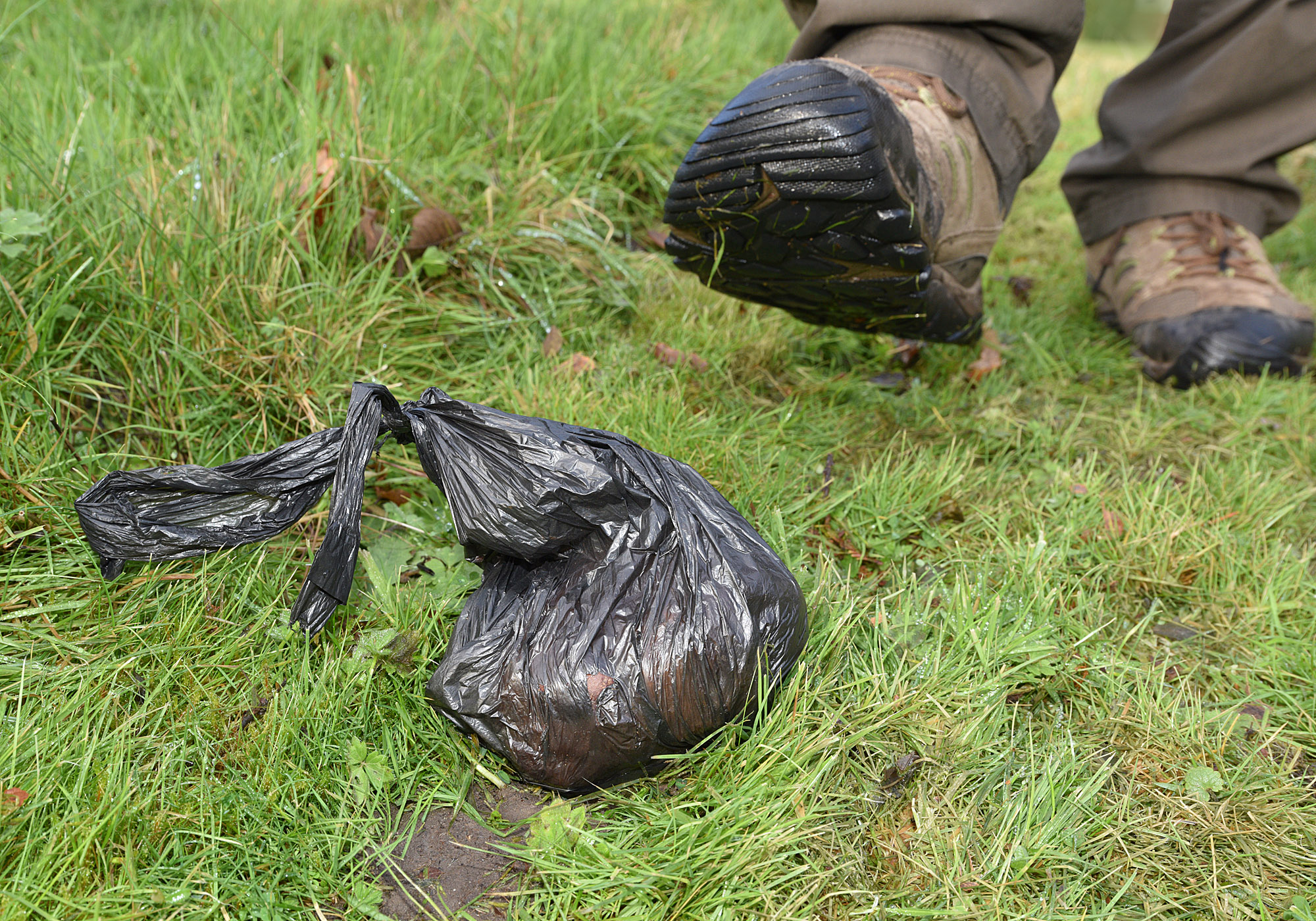
Above: Call me old-fashioned, but when I visit a nature reserve I prefer close encounters with wildlife to an intimate brush with 21st century canine reality.
I invite readers to consider this financial ‘buy-cotting’ approach too, as a way of focusing the minds of conservation organisations, particularly those that are membership- and legacy-obsessed. Cancel or do not renew your memberships, change your wills as you see fit but be sure to tell the organisations the reasons for your decisions.
In the UK, attitudes towards the natural world among political parties, and many of the electorate who vote for them, range from indifference to contempt. Reluctantly, in my gloomier moments I am beginning to see the UK, and England in particular, as a lost cause in environmental terms. I hope I am wrong, that will not stop me fighting and the ‘missing’ NGOs have a chance to restore my faith in UK conservation.
However, I know that passion for a cause may not always be enough to achieve results. Reluctantly, and as a form of environmental insurance, the realist in me sees the likes of the World Land Trust as one of the only hopes for the survival of planet Earth, or at least parts of it, through ownership of land for the benefit of nature. I have recently changed my will to reflect my support for this valiant organisation.
 nplsecondnature.com