
Croudace Homes have got permission in principle to turn rural Upper Cufaude Farm on the fringes of Basingstoke into yet another housing estate. These developers have been given the chance to create a meaningful and worthwhile legacy, one that could set new standards of design and environmental sensitivity. Instead, all we get is more of the same. So, go back to the drawing board Croudace Homes and come up with something better than your current run-of-the-mill plan. Designate the northern 5 hectares of the land as a genuine nature reserve and make better and more creative use of the remaining land for housing. Create dwellings that address the climate- and energy-driven crises of our times and houses that will be fit for habitation 50 years from now.
WHAT CAN I DO?
Instructions and pointers about how to comment and to whom comments should be addressed can be found at the end of this blog under the heading CALL TO ACTION.
SETTING THE SCENE
Once upon a time there was a rural north Hampshire byway called Cufaude Lane. In its day it was quiet enough for grass to grow down the middle of the road and it was flanked by miles of open countryside. In terms of traffic, those days are gone thanks to the unstoppable expansion of housing developments in Basingstoke at one end and town-in-the-making Bramley at the other. And housing developments themselves are now fast destroying the rural heritage of what was once an environmental buffer between these two conurbations.

Above: destined to disappear under concrete, bricks and tarmac, the land at Upper Cufaude Farm is currently undergoing its own natural version of rewilding. The decision, made by Basingstoke & Deane Borough Council’s Development Control Committee a few years ago, to grant planning permission for the site contributes to the death by a thousand cuts of the English countryside and reduction in space for native biodiversity.
Driving this destructive process is a mindset, prevalent in both developers and some council employees and elected councillors, that sees the open countryside merely as a resource to be exploited rather than an asset to be treasured or part of the green component that makes planet Earth work. Native biodiversity is seen as just another fly in the planning ointment, one that is easily overcome thanks to the presumption in favour of development that prevails in many minds. This nurtures the unimaginative (but extremely lucrative) approach to development that favours new build on flat land over more challenging redevelopment of brownfield sites and the creative repurposing of existing buildings.
The single most egregious development to afflict this fringe of Basingstoke is that of Upper Cufaude Farm. Thanks to a decision, made several years ago, by Basingstoke & Deane Borough Council’s Development Control Committee (19/00018/OUT ) to grant permission in principle for the farm’s land to become a housing estate (350 homes plus all the expected facilities) the stage is now set for further urbanisation of the English countryside. However, that particular planning decision was only a stage in the process that leads ultimately to house construction. There are other stages where critical comments can be made and one such opportunity has just materialised.
THE PRESENT DAY
As it happens, Cufaude Lane is at the heart of a nationally significant area for amphibians, notably Common Toads. A group called the Cufaude Lane Toad Patrol team operates to save as many animals as possible from being squashed and killed by cars during spring migration. Together with other members of the Cufaude Lane Toad Patrol team who voiced opposition to planning application 19/00018/OUT I recently received a letter from Basingstoke & Deane Borough Council headed 23/02003/RES. This letter is a ‘reserved matters’ application that deals with Phase 1A of this massive development. For those who are not versed in planning-speak, reserved matters are items that are excluded from an outline planning application process because they will be determined by future planning approval.
This ‘Reserved Matters’ stage in the process provides an opportunity for Basingstoke & Deane Borough Council (BDBC) and its Development Control Committee (DCC) to ensure that plans comply with the environmental requirements and obligations of the original Planning Decision Document; regarding both the plans themselves and compliance during the development and building phase. More than that though, it allows BDBC to break the mould of mediocrity and uniformity that blights new-build housing. It is an opportunity for both council and developer to show vision and go beyond compliance. Their decisions and actions are a true measure of their aspirational green credentials.

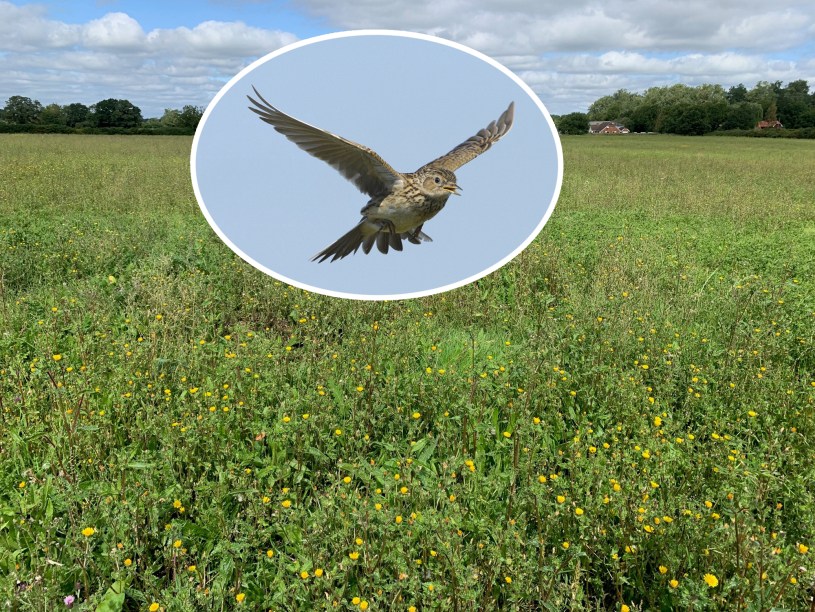
Above: Upper Cufaude Farm land photographed from a public right of way in August 2023. An unintended consequence of the delay in development (since the planning in principle was approved by Basingstoke & Deane’s Development Control Committee) has been natural rewilding. Unsurprisingly, there has been a noticeable increase in open countryside wildlife species, including Skylarks.
As an aside, a few months ago, controversy followed a decision by Basingstoke’s DCC to approve planning application 22/02564/FUL. In doing so, they ignored their own environmental safeguards and guidelines (regarding environmental buffer zones for example). Subsequently, I received assurances that councillors would be undergoing a spot of environmental education and training: specifically concerning the obligations placed on them regarding biodiversity and landscape in the planning system. I assume that as a consequence of that they now no longer need reminders about the law with regards to protected species, and best practice guidelines when it comes to notable species and habitats. The outcome of 23/02003/RES will provide observers with the chance to see whether any lessons have been learned, and whether in this instance BDBC and their DCC can ensure the least awful outcome for wildlife.
AN ATTEMPT TO SCRUTINISE CROUDACE HOMES’ CURRENT PLANS AND THE UNINTENDED CONSEQUENCE OF DELAY
Summary of areas of concern:
- At the time of writing, the BDBC planning portal 23/02003/RES provides no detailed information regarding Croudace Homes’ response to environmental and biodiversity obligations placed on them in the original planning decision. Not for Phase 1A nor (more importantly) for the development as a whole. Perhaps wheels are in motion behind the scenes, who knows? However, by not publishing their plans in a timely manner, they have denied independent scrutineers an opportunity to respond and comment.
- Furthermore, it is impossible to gauge compliance and adherence to environmental requirements of the project as a whole, by viewing one small phase of this huge development in isolation.
- Some of the environmental evidence submitted on behalf of Croudace Homes is now more than 5 years out of date. The natural world is a dynamic system and subject to change. Since the cessation of intensive agriculture on the site several years ago, Upper Cufaude Farm has become a haven for colonising wildlife, the land undergoing its own process of natural rewilding. As a result, there is every reason to suppose that notable and protected species whose occurrence might have been marginal 5 years ago, will now be thriving. Specific examples are provided below. Further ecological survey work needs to be undertaken before any informed future planning decisions can be made.
SPECIFIC CONCERNS
Currently, all that independent scrutineers have got to go on are documents available on the BDBC planning portal relating to Planning Application 23/02003/RES. Specifically, documents entitled ‘BLOCK PLAN OF THE SITE’, which deals with Phase 1A, and ‘LANDSCAPING STRATEGY’, which is superficial and aspirational and styled like a sales brochure. To follow are some observations from a conservation perspective. The site’s existing ecology, the development plans, and their implications for notable and protected species are inter-related. Hence the comments that follow include a mixture of references to both species and documents.
Existing hedgerows, tree belts and woodland
To my eyes, a requirement for a minimum 5m buffer zone for existing hedgerows has not been respected throughout the development, judging by the Block Plan for Phase 1A and the Landscaping Strategy document for the project as a whole. Particularly since buffer zone measurement should start from the outermost canopy margin of hedgerow trees and shrubs. In any case, the presence of Hazel Dormice in these hedgerows, and the potential for some stretches of ‘hedgerow’ to qualify as tree belts, should demand more than the minimum 5m buffer zone.
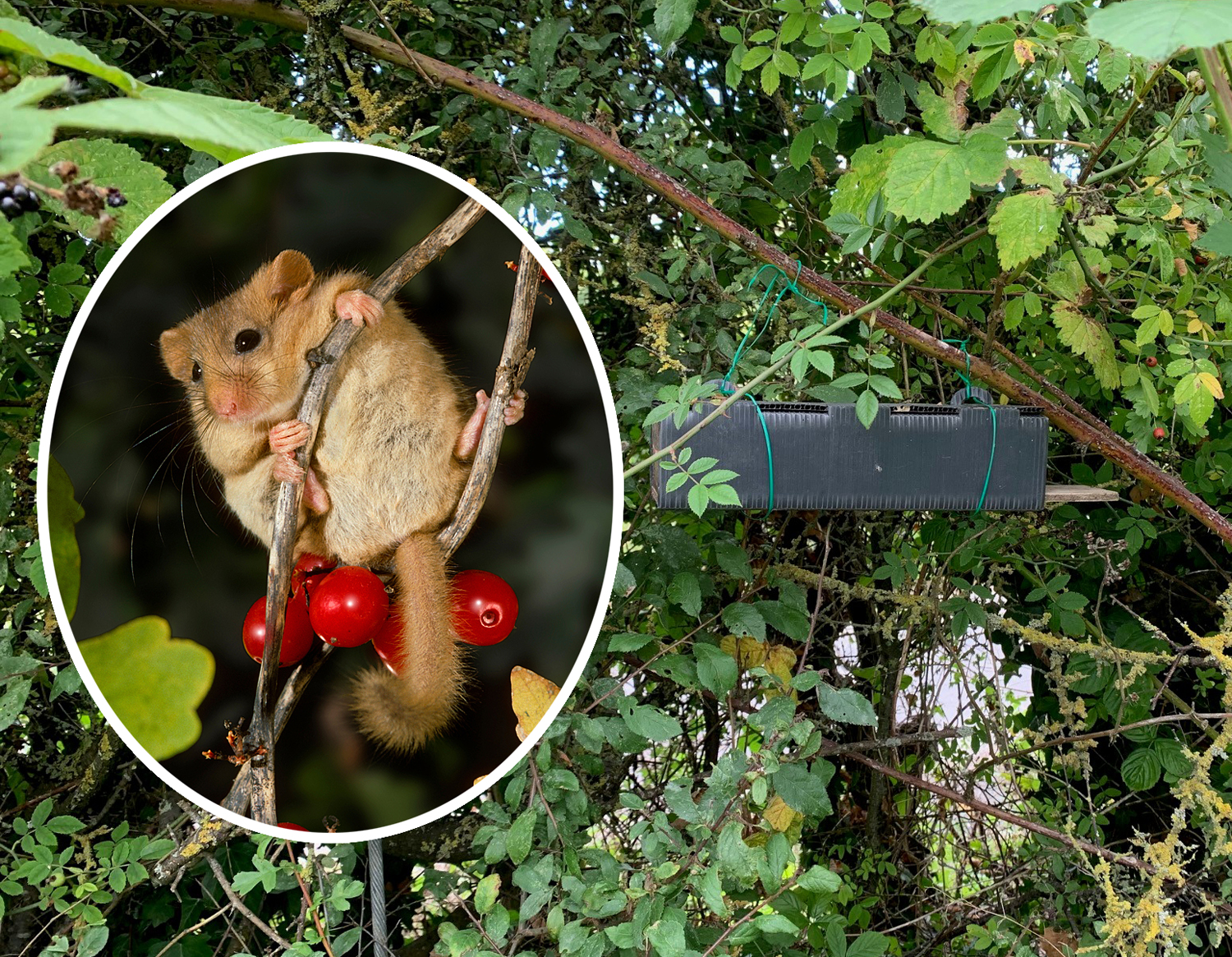
Above: photographed from a public right of way on 21 August 2023, this image shows a dormouse survey tube in situ in a boundary hedge on Upper Cufaude Farm. Inset is the object of the survey exercise: a Hazel Dormouse photographed within a mile of the location. The species’ status is notoriously difficult to assess with accuracy and absence of evidence should never be regarded as evidence of absence.
Hazel Dormouse
To provide context for the following comments, Hazel Dormice are present on the site and there is every reason to suppose that all stretches of existing hedgerow, tree belt and woodland margin will be home to the species.
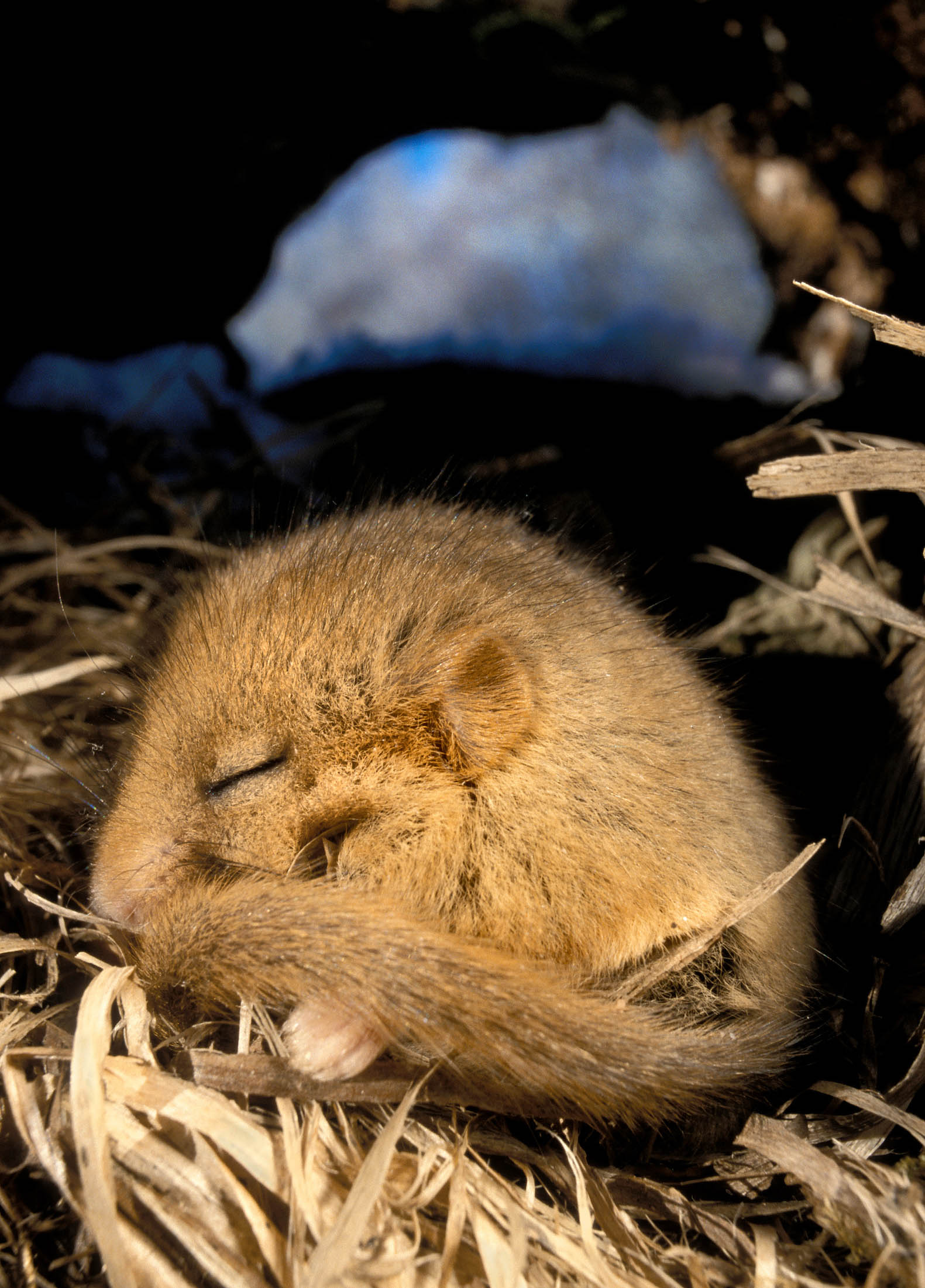
Above: Depending on the season, Hazel Dormice spend as much as 6 months of the year – up to 50% of their lives – at ground level, either hibernating or when seeking or emerging from suitable hibernation sites. During this time, they are supremely vulnerable to predation.
As a result of the introduction of large numbers of cats and dogs, an inevitable and direct consequence of this development by Croudace Homes, it is highly likely that occupation of the housing estate by these carnivorous pets will result in the rapid extinction of Hazel Dormouse – in the absence of some form of action being taken.
There are instances elsewhere in the UK where new developments have been proposed as being cat-free to protect ground-nesting birds in this cited instance. Precisely how any such proposals could be enforced or policed long-term is unclear.
A more realistic approach would be for Croudace Homes to be required to install cat-proof fencing to protect all existing and proposed stretches of hedgerow from predation of Hazel Dormice by cats.
The admission by Croudace Homes that hedgerow reinforcement and so-called green corridors are important aspects of any development are to be applauded. However, as an aside, the feature referred to on the Landscaping Strategy document as a ‘Dormouse Hop-over’ does not fill me with confidence with regards to intent or benefit. Here, there is a recommendation for the planting of non-native Sweet Chestnut Castanea sativa and Turkish Hazel Corylus colurna. If the intention is to benefit Hazel Dormice (rather than favour alien Grey Squirrels) then better alternatives to plant and encourage would be native Hazel Corylus avellana, Honeysuckle Lonicera periclymenum and Bramble Rubus fruticosus agg.
Furthermore, any lingering confidence I might have had in Croudace Homes’ attention to ecological detail and commitment to the environment was shattered when I perused the text relating to the section in the Landscape Strategy document entitled SINC EXTENSION AND HEDGEROW BUFFER. It reads as follows: ‘Extension to Razor (sic) Farm’s SINC Woodland will expand the area of this design (sic) inportant (sic) habitat for nature conservation. The buffer planted with woodland mix with native and wildflowers creates new habitat supporting the important hedrrew (sic) and associated species’. Quite what this gibberish actually means is anyone’s guess.
‘Wildlife Area‘
There is a token plot marked on Croudace Homes’ Landscaping Document as a ‘Wildlife Area’. The text describes it as an ‘Area of restricted recreation with clearly defined paths. 1.4 ha of unmanaged long meadow grassland to support the population of ground nesting skylarks and provide foraging and nesting opportunities for other birds.’
As an aside, if I interpret the map correctly, I calculate the extent of this ‘Wildlife Area’ to be closer to 0.5 hectares. Regardless of exact measurements, there are several elements of the scant description that should raise concerns.
Despite aspiration and intent, ‘restricted recreation’ in essence means open access. Which in turn means disturbance by humans and dogs, both activities incompatible with ground-nesting birds in a small plot of land. If the area is to be of genuine benefit to wildlife, and not people and dogs, it needs to be fenced off and access prevented. Sign boarding could be used to explain to residents the environmental wisdom of this approach.
Croudace Homes and Basingstoke & Deane Borough Council should have more ambitious targets for conservation and environmental compensation, especially given the scale of loss of habitat for open country biodiversity. More appropriate would be designation of the northern 5 hectares of the site as a nature reserve, set-aside purely for the benefit of wildlife and conservation, without open access to members of the public.
Regarding Croudace Home’s reference to ‘unmanaged’ grassland, it is worth noting that it is a habitat that, unless managed, will naturally transition over time to scrub and then woodland. Not necessarily a bad thing, but if meadow habitat is what you want to achieve, regular management needs to occur in the form of sympathetically-timed annual cutting for example. However, given that recent evidence (from the Cufaude Lane Toad Patrol team) that this section of land is likely to form part of the migration corridor and provide terrestrial habitat for Common Toads, timing and style of management, were it to take place, would need to be carefully nuanced.
Skylarks
Mention of skylarks in the text associated with the ‘Wildlife Area’ section of the Landscaping Strategy document is slightly perplexing. In my opinion, the species is highly unlikely to use this location and referencing it perhaps has some connection with this red-listed species’ mention by both Natural England and BDCC’s biodiversity team in comments relating to the original 19/00018/OUT stage of the planning process.
Comments include one that states ‘…it is considered that skylark on the site will be adversely affected from habitat loss, recreational disturbance and possible predation by pets’. To my mind, ‘habitat loss’ is a bit of an understatement. Habitat obliteration might be a better choice of wording. Anyway, however pointless and unrealistic it might be, a subsequent letter from Natural England advised that compensation for the disaffected skylarks ‘… might include the provision of a monetary sum to be provided towards an existing scheme that will provide benefit to skylark and other farmland wildlife.’ I can find no mention of that as part of Croudace Homes’ plans.
Since the time of the original ecological appraisals of the site, if the evidence of my own ears is anything to go by, Skylark populations on Upper Cufaude Farm have flourished and increased greatly.
As an aside, there is evidence that relatively small plots of land set aside for the benefit of Skylarks can help this beleaguered species. The RSPB offers clear guidance for the creation of Skylark plots: ‘Aim to create roughly two hundred Skylark plots per square kilometre’. However, bear in mind these plots are designed to work as a mosaic in a vast arable landscape, not as an isolated plot on what will become urban fringe.
Mention of Skylarks in the context of the proposed ‘Wildlife Area’ is misleading, to put it kindly, if the intention is to create the impression that this might somehow compensate the species for the habitat loss associated with the development. It will not. There is no escaping the fact that the consequence for Upper Cufaude Farm’s Skylarks of the Croudace Homes development in its current form will be extinction.
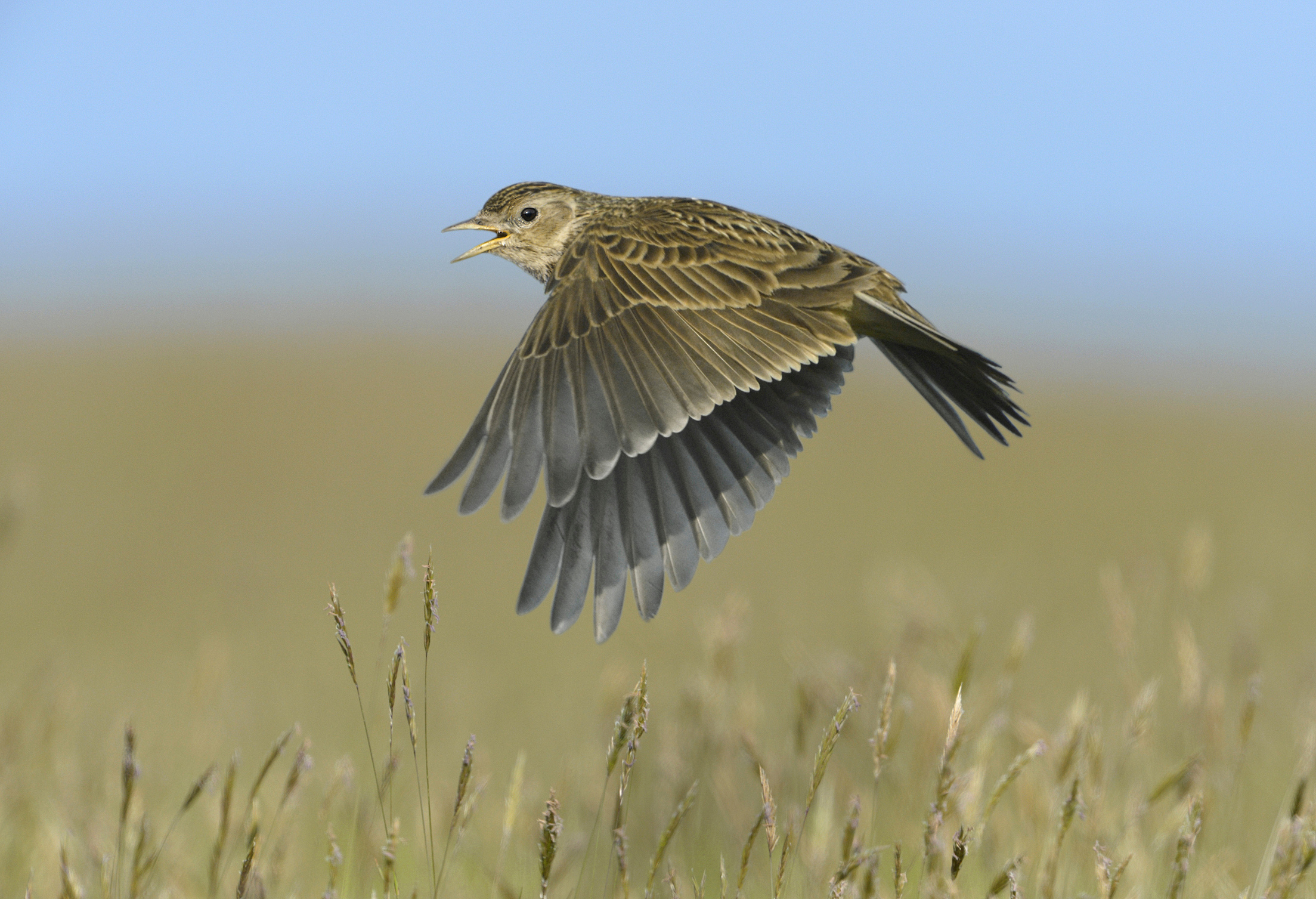
Above: Skylarks are birds of open country, not housing estates.
Swifts
By it its very nature and intent, the development of Upper Cufaude Farm by Croudace Homes in its current form will destroy open countryside and replace it with an urban environment. Most open countryside plants and animals currently resident on the site will perish and for those that survive the opportunities for existence will be greatly diminished thanks to the majority of the land being covered by bricks, concrete and tarmac.
However, there is one species, currently not present on site, that could benefit from this urbanisation, namely the Swift Apus apus; it is currently red-listed in the Birds of Conservation Concern 5 document. That the species is able to colonise new developments, if opportunities for nesting present themselves, is demonstrated by recent colonisation by Swifts of nearby Chineham. As a sign of BDBC’s green credentials they could encourage or require Croudace Homes to install Swift bricks and tiles in all their new homes on the Upper Cufaude Farm housing estate. The charitable organisation Hampshire Swifts would I am sure be happy to advise them.
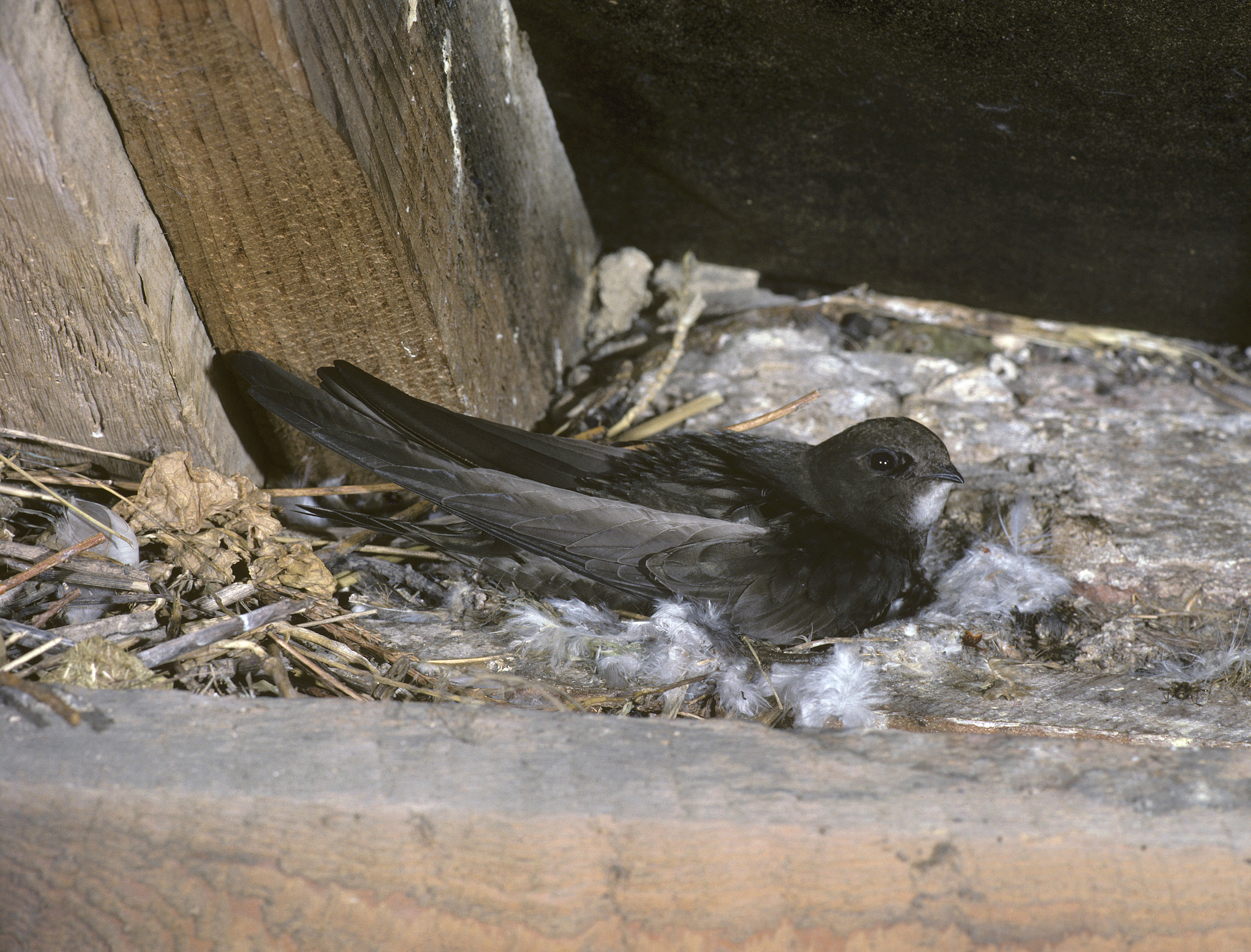
Above: Nowadays, breeding Swifts in the UK are largely confined to human dwellings but increasingly excluded by, for example, hermetically-sealed loft spaces. The installation of nesting features in new-build housing can help the prospects of this declining species.
Common Toads
The significance of the site for amphibians in general, and Common Toads in particular, is acknowledged in a report entitled Toad Mitigation Option Study and Proposed Strategy, submitted on behalf of Croudace Homes in connection with planning application 19/00018/OUT. The report, which relied on data provided by the Cufaude Lane Toad Patrol team, recommended the installation of a Toad Tunnel and Associated Guide Ditches. The report mentions a meeting held on 13 May 2019 at which ‘various nature conservation consultees were present’. The ‘consultees’ in question were representatives of the Cufaude Lane Toad Patrol team. None of the team members have been consulted since that date. I can find no mention regarding the installation of a Toad Tunnel and Associated Guide Ditches in the documents on the BDBC planning portal.

Above: Had the Cufaude Lane Toad Patrol team been approached they could have advised Croudace Homes and BDBC about best practice methods for honouring their environmental commitments, and informed them about changes in toad migration patterns. Also of relevance is that the newly and unintentionally rewilded land on Upper Cufaude Farm is now ideal for Common Toads and other amphibians, which spend the vast majority of their lives on land.
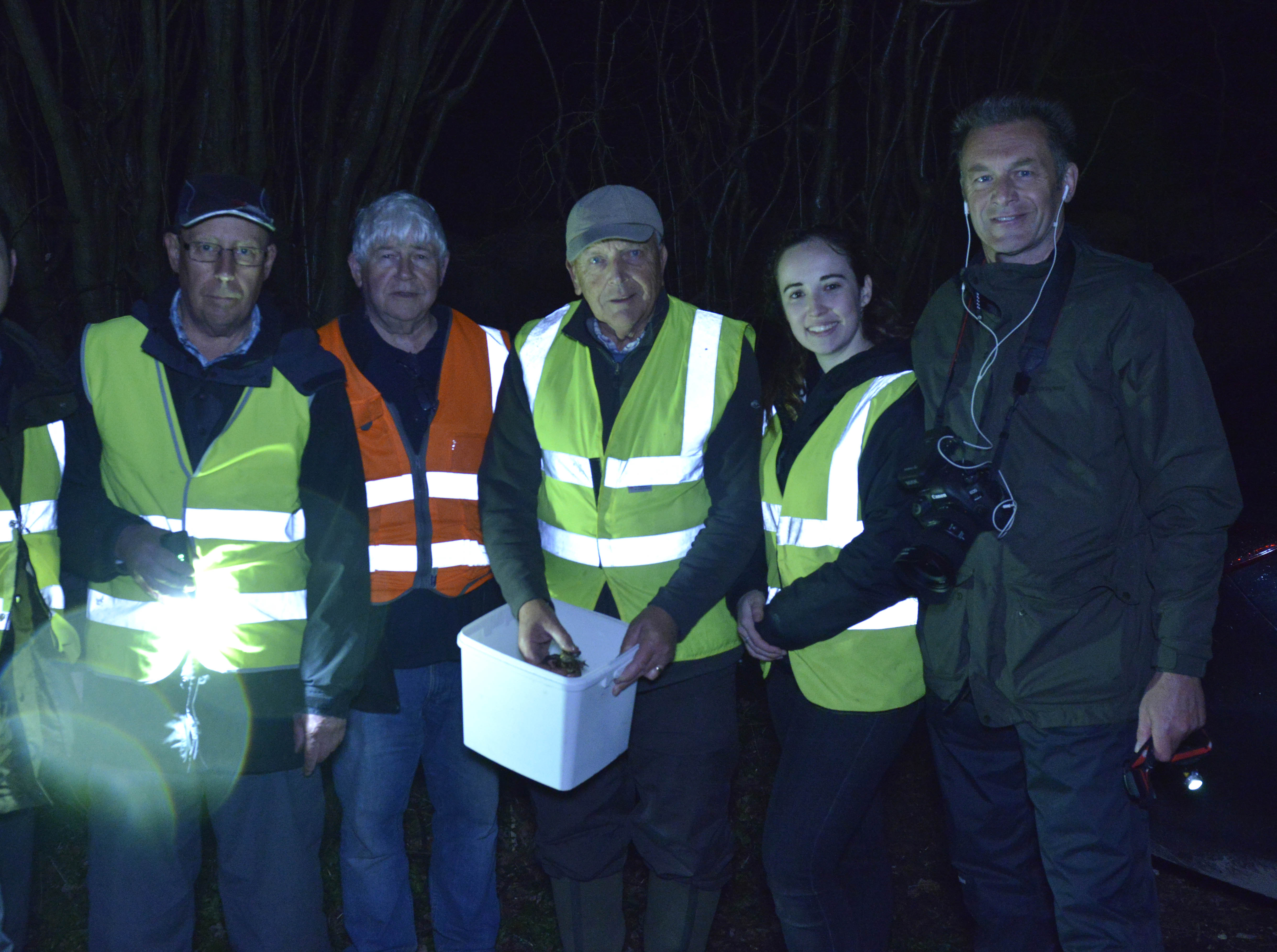
Above: Some of the Cufaude Lane Toad Patrollers – the group that met Basingstoke & Deane Borough Council and Croudace Homes in 2019 – here, accompanied on a patrol night by TV presenters Megan McCubbin and Chris Packham.
In recent years Cufaude Lane Toad Patrollers have extended their remit to patrolling stretches of Cufaude Lane adjacent to Upper Cufaude Farm land. Migrating amphibians, and Common Toads in particular, have begun to use this stretch of road adjacent to the development site in increasing numbers. Perhaps in response to changes in land use elsewhere.

Above: Hundreds of Common Toads and other amphibians cross Cufaude Lane at migration times. They are at increasing risk of death from the rise in car numbers using the highway, the traffic being a direct consequence of new housing developments at either end of the lane.
Bats
There is clear evidence that bats are present on the site, and every reason to suppose that the whole of Upper Cufaude Farm land provides feeding opportunities for a range of species. Especially now that the land, undergoing its own natural rewilding process, is so rich in colonising insect life. To ensure the long-term survival of bats, a requirement should be that every new home on the Upper Cufaude Farm housing estate has bat boxes installed, appropriately sited under eaves and on aspects that are not in direct sunlight during the middle of the day. I am sure the Hampshire Bat Group would be happy to advise.
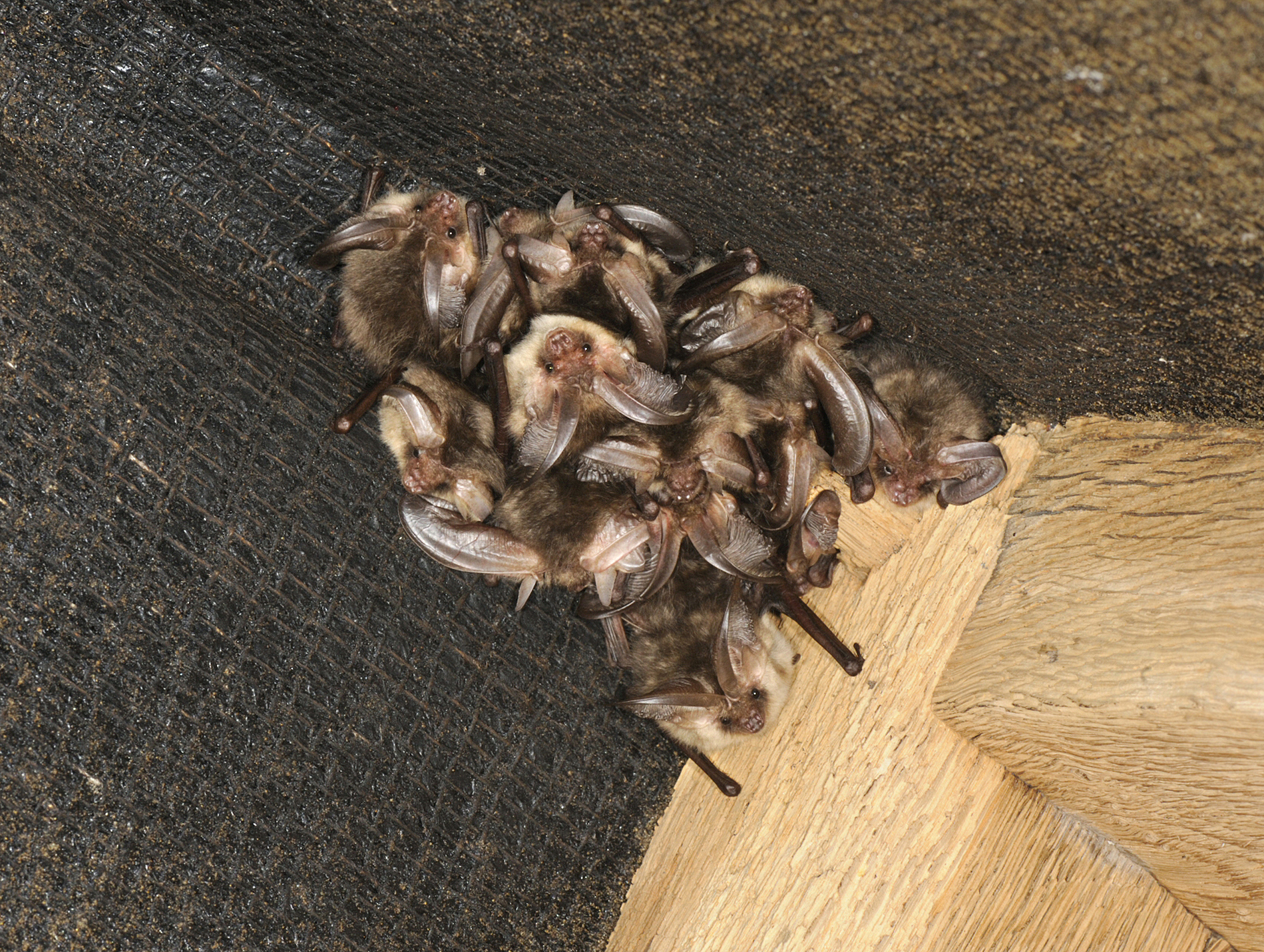
Above: With loss of natural habitat, many species of bats are increasingly reliant on human habitation for summer maternity roosts and winter hibernation sites. Why would any developer with green credentials not want to help these threatened mammals through the installation of bat accommodation in new-build houses?
Notable and protected species currently not acknowledged
In the intervening years since biodiversity surveys were first undertaken in connection with the Upper Cufaude Farm development much has changed on site. The de facto rewilding of the landscape since the abandonment of intensive farming has resulted in an explosion of colonising wildlife. There is nothing that can be done to avoid the wholesale destruction of native species of wildlife that now call Upper Cufaude Farm home when development commences. However, there are some overlooked notable and protected species that merit attention, ones that have legal protection to ensure their best interests are respected. These include the following.
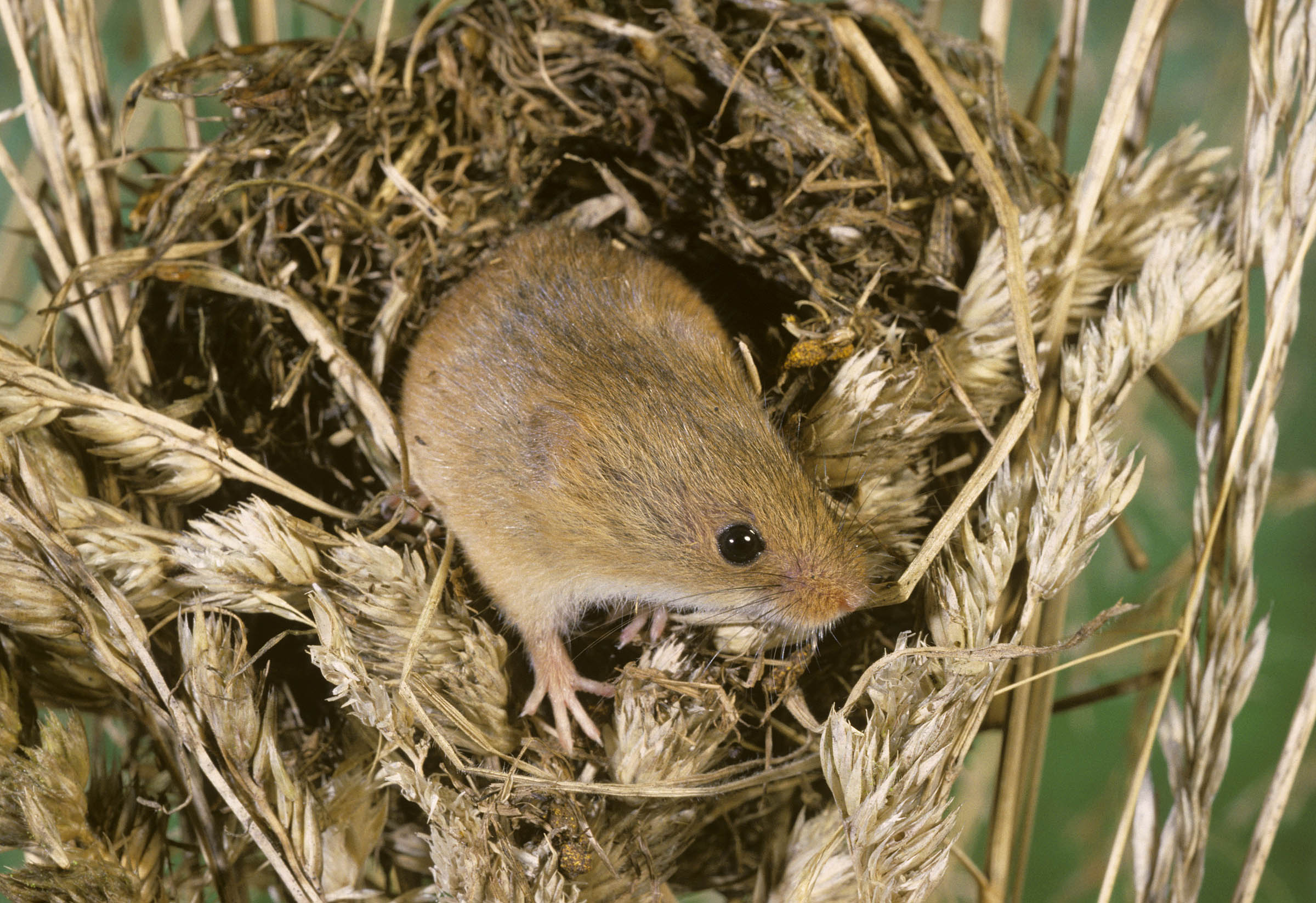
Above: Among the small mammals likely to have benefited from the unintended rewilding of Upper Cufaude Farm land are Harvest Mice. Their fate when development starts: to be bull-dozed into oblivion.
Barn Owl
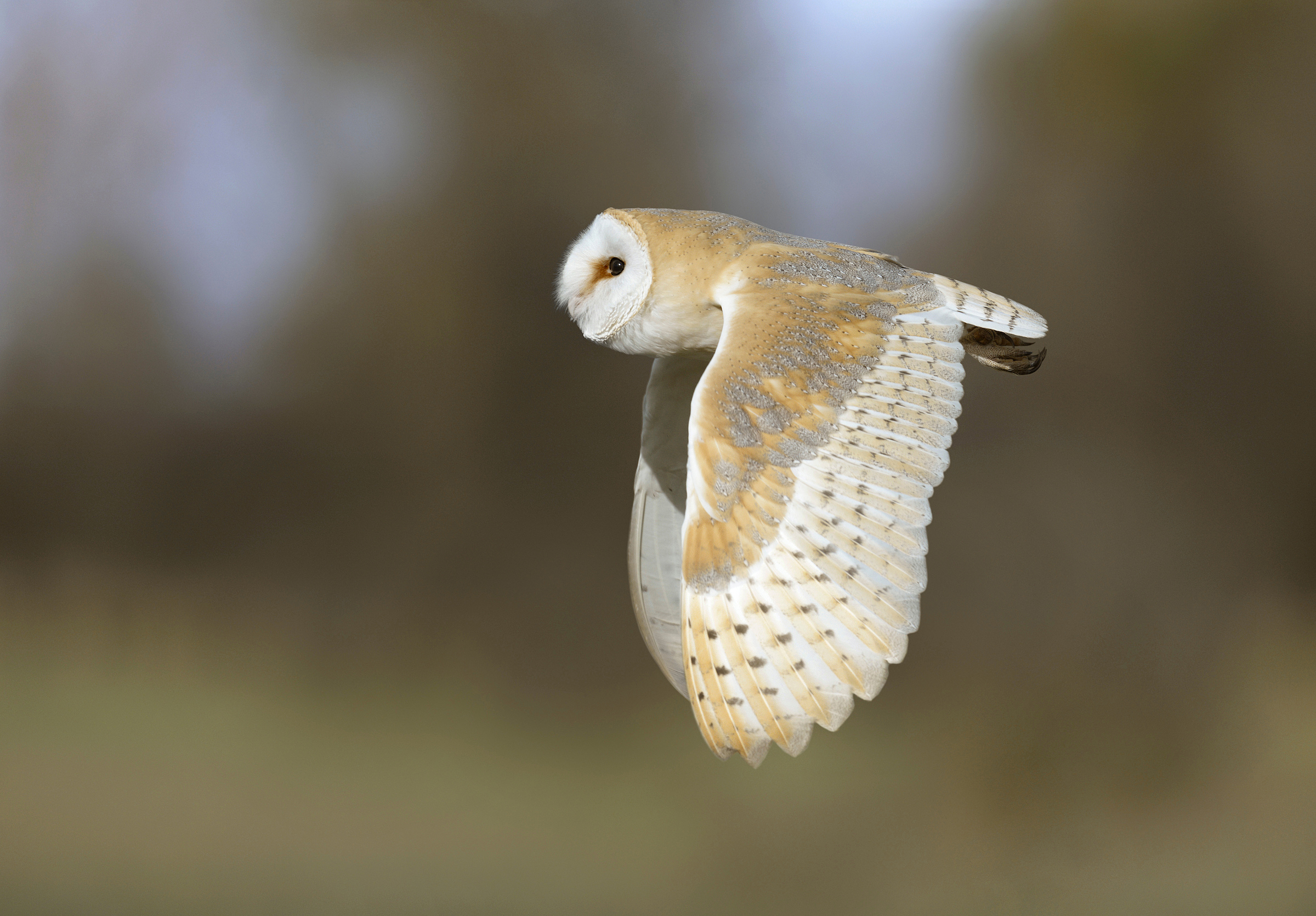
Evidence for a thriving small mammal population on Upper Cufaude Lane is provided by regular sightings (typically involving 1 or 2 birds) of Barn Owls (above) hunting over the fields and perched in trees that line the hedgerows. Whether or not Barn Owls breed on the site as well as feed is unknown. Survey work needs to be undertaken.
Grass Snake
Grass Snakes were recorded on the site in a report submitted on behalf of the developers Croudace Homes by a company called Ecosulis. There is every likelihood that populations of this reptile will have benefited considerably from the unintended rewilding of Upper Cufaude Farm and an increase in the small mammal and amphibian populations. Survey work needs to be undertaken regarding both Grass Snakes and Slow-worms.
Great Crested Newt
Associated with the original outline planning application was a claim by Ecosulis, acting on behalf of Croudace Homes, that Great Crested Newts were unlikely to be present on the site. Anecdotal evidence would suggest otherwise. Two Great Crested Newts, killed by road traffic, were found dead on the road adjacent to Upper Cufaude Farm – one in 2021, the other in 2022. These were chance encounters along stretches of road not normally surveyed by the Cufaude Lane Toad Patrollers and true numbers of Great Crested Newts are likely to be higher. Especially considering that it only takes a couple of cars to obliterate any traces of a newt squashed on the road, and nowadays hundreds of vehicles an hour use the road at peak times.

Above: Like all amphibians, Great Crested Newts are vulnerable when they are forced to cross roads on migration. And pressure on them increases when new housing estates drive more cars on the road.
Environmental compliance during the building phase
Anyone with an awareness of environmental matters and the planning process will be familiar with a tactic that nowadays might be described as the ‘crooked house’ approach to development. The principle being that it is better to remove environmental obstacles in your path and apologise (or not, as the case may be) than it is to seek permission for your actions in advance. That is of course at the far end of the spectrum of developers’ attitudes towards the environment.
There are examples of less extreme environmentally insensitive actions carried out by developers in the Basingstoke area, and two spring to mind. One involves Croudace Homes and their previous development at adjacent Razor’s Farm. In this instance, dereliction of reptile and amphibian ‘exclusion fencing’, designed to prevent the animals from trespassing onto development land and being killed, meant that the opposite happened.
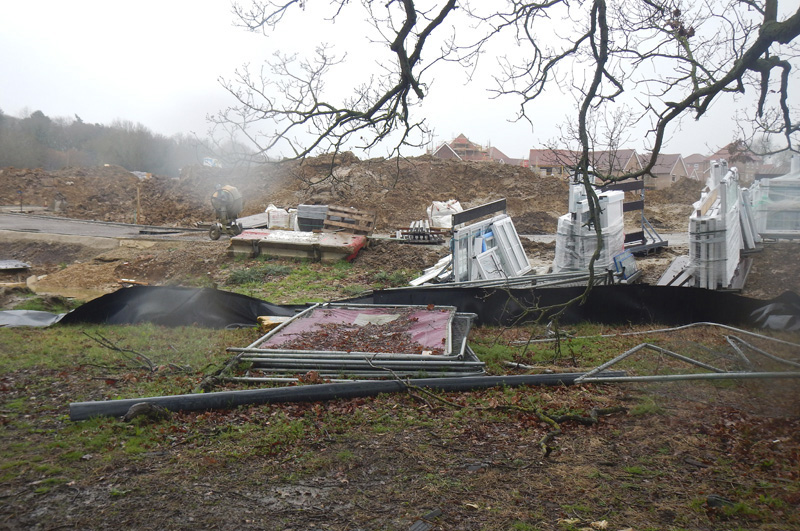
Above: Reptile and amphibian exclusion fencing can be seen flattened in the foreground. It wasn’t until Andrew Cleave blew the whistle that action was taken to remedy the situation on the Razor’s Farm development. Although by this stage in proceedings it was probably too late and the environmental damage had already been done. It provides an example where neither the developers Croudace Homes nor BDBC compliance officers were doing their jobs properly.
The other example is more recent and concerns housing development and the destruction of Glow-worm habitat by contractors working on behalf of housing developer Redrow. The environmental tragedy was featured in the Basingstoke Gazette where local naturalist and Glow-worm champion Alan Wilkinson expressed his dismay and anger at the wilful destruction. An article can be viewed via the following link: https://www.basingstokegazette.co.uk/news/23685753.conservationist-angry-glow-worm-destroyed-old-basing/
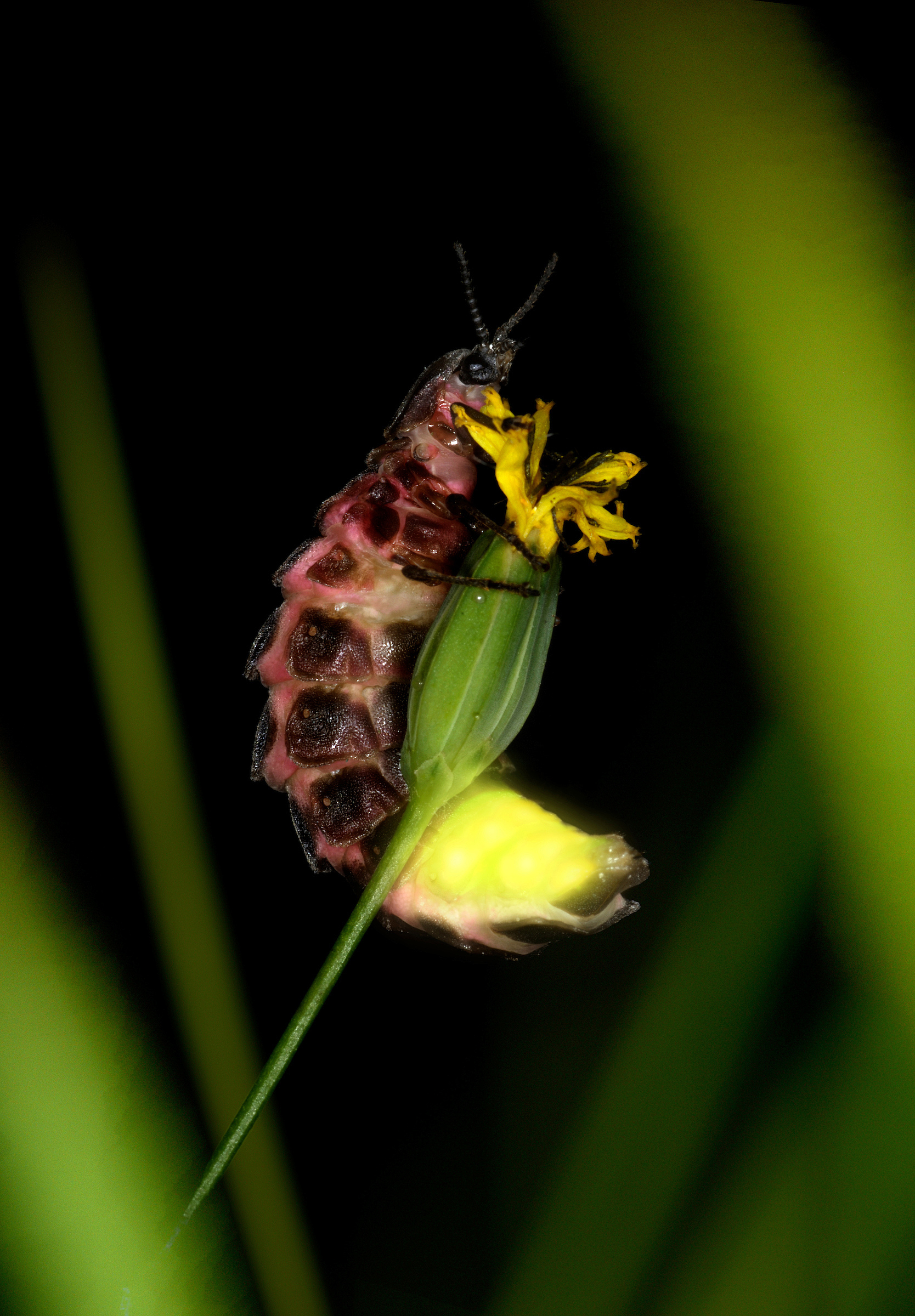
Above: Has anyone surveyed recently-rewilded land at Upper Cufaude Farm for Glow-worms, or perhaps more to the point, does anyone care?
The future
There are many other questions to be answered by Croudace Homes about the environmental consequences of building on Upper Cufaude Farm. An example might be how what they refer to as their ‘pockets of greenery’ and ‘dormouse hedgerows’ are to be maintained in the long term for the benefit of native wildlife? And who will police and pay for compliance with regards to habitat management and protected species monitoring on the site in the years to come?
CALL TO ACTION
Postal address for comments: Planning Department, Basingstoke & Deane Borough Council, Civic Offices, London Road, Basingstoke RG21 4AH
Email address for comments: planning.comments@basingstoke.gov.uk
Deadline for submission of comments: 4 September 2023
Planning reference to be quoted: 23/02003/RES – Application for reserved matters approval of layout, landscaping, scale and appearance for the Phase 1A residential development, the spine road and associated works pursuant to outline planning permission 19/00018/OUT
Other requirements: for your letter to be considered by the council, it needs to include your name and postal address. For it to be taken seriously and not dismissed as trivial, your letter needs to employ reasons for objection that are valid in planning terms. Bear in mind that planning in principle has already been granted. The aim at this stage is to ensure the least awful outcome for wildlife.
There are many reasons for objection and comment, and these might include the following:
- Existing ecological surveys are out of date and new environmental evidence needs to be considered. Farming on Upper Cufaude Farm was abandoned several years ago following the original planning decision. Since that time, the land has rewilded under its own steam, and become a haven for wildlife. New ecological surveys need to be undertaken before informed planning decisions can be made regarding the land’s future.
- Current plans provide insufficient environmental compensation for the wholesale habitat destruction. The northern 5 hectares of Upper Cufaude Lane land should be designated a nature reserve, for the benefit of Common Toads specifically, but other wildlife too. And the pledge by Croudace Homes to install a Toad Tunnel should be honoured.
- Proposed environmental protection is inadequate and insufficient regarding both hedgerow habitats and Hazel Dormouse. 10-metre-wide environmental buffer zones should be applied to all existing hedgerows, with cat-proof fencing installed to prevent the predation and extinction of Hazel Dormice.
- Improved housing stock is needed, future-proofed regarding climate change and energy efficiency. Croudace Homes should be required to make more creative use of remaining land and design state-of-the-art housing, fit for a world where climate change and the need for energy efficiency are realities. Not more of the same, easy to build, repeats of housing estates everywhere else.
- Compliance. Basingstoke & Deane Borough Council should police and enforce compliance with environmental protection measures throughout the development stage, and be held to account if they fail. In addition, they should impose substantial penalties on the developer if any infringements occur.
 nplsecondnature.com
I strongly object to this development, it cannot be allowed to happen
LikeLike
Rob Fisher
Upper Cufaude Barn
Thanks for a very informative article. I also have similar concerns and will submit my objection to the plan.
LikeLike
As much as I applaud yo and agree with everything said here, unfortunately I think nothing will stop the bulldozers as councils desperately want housing regardless of the damage it does to the local area (they dont live here so dont really care) Just look at the proposal for 140 plus (and there will be a plus in later phases guaranteed) on the agricultural farm land behind Stocks farm in Bramley despite hundreds of comments and complaints from all over the village the application was still passed and sure as eggs is eggs houses will be built there eventually.
LikeLike
Trevor, as the blog says, planning permission in principle has already been granted, so houses will be built. The aim now is to ensure the least awful outcome for wildlife.
LikeLike