
A company called RWE have just announced plans for what it refers to as the Aldermaston Road Solar Farm. Let’s examine the enormity of what they are suggesting and see whether meaningful benefits for the natural world are possible.
Introduction
The RWE Aldermaston Road Solar Park project is divided into two parcels, the northern one of which is of interest to me because it is almost immediately adjacent to where I live. I have a vested interest in the proposal by dint of proximity but also because of my passion for local biodiversity. My garden, and its transition to a wildlife haven in response to environmental degradation and destruction going on all around me, is the subject of my most recent book The Biodiversity Gardener. It remains to be seen whether RWE intend to contribute to the continuing erosion of the natural world in this part of north Hampshire or adapt their plans to give nature a chance for recovery.
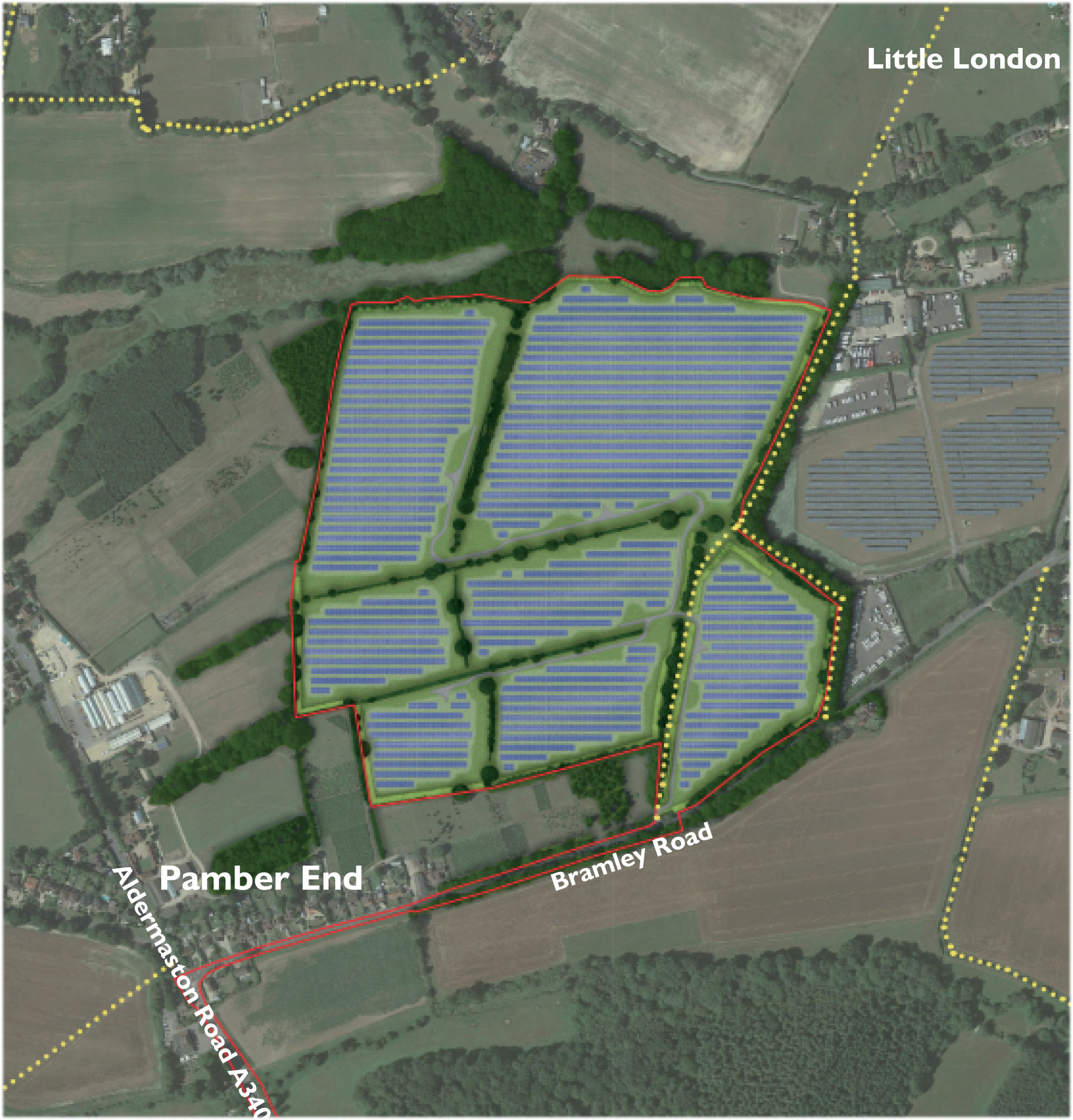
Above: a map of the Northern Parcel of the RWE’s Solar Park, taken from their flyer on the subject.
In general, Solar Parks are viewed as eyesores by most members of the public and nobody in their right mind would want one, in full view, on their doorstep – as would be the case with me.
And there is a legitimate argument against citing solar parks on farmland that has the potential to grow food to feed the nation. Doing so decreases the country’s ability to be self-supporting and exports the problem of growing our food to other regions of the world, thereby contributing to exploitation and ruination of natural habitats elsewhere.
Consequently, the reader might assume that my response to this proposal would be outright and hostile opposition, especially given that my life’s work has been writing about and campaigning for the natural world.
Not necessarily so. Given that meaningful native biodiversity in the field adjacent to my garden is currently kept to a minimum, any change in land management that allowed a degree of nature recovery could be seen as an improvement. However, any improvements would be relative and therein lies my main concern.
No doubt RWE have plans that will demonstrate environmental improvement in the form of Biodiversity Net Gain (BNG), to satisfy the requirements of the planning process. I too have plans but I would be surprised if these were not more ambitious than those of RWE, more realistic when it comes to BNG calculations and more appropriate to the local wildlife. I will return to the contentious issue of BNG calculations in a moment.
Background
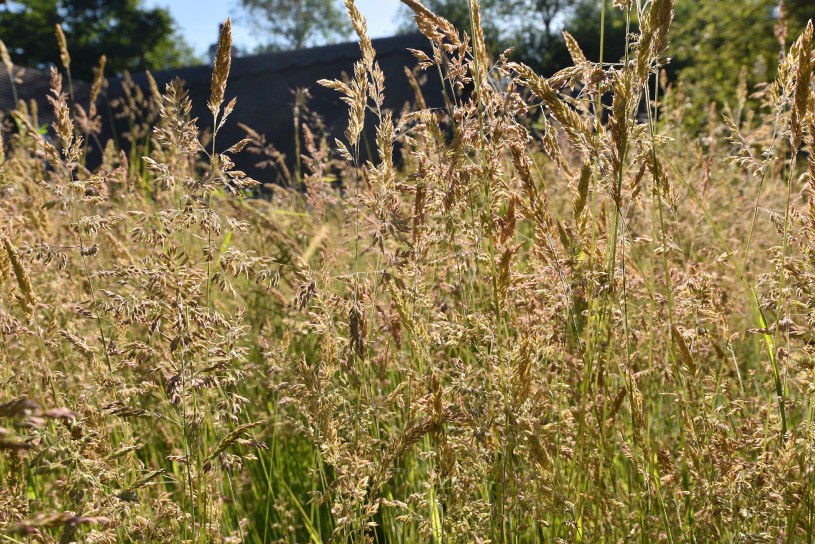
When I first moved to my cottage 26 years ago, the field to the south (the Northern Parcel of the solar project) was a wonderful hay meadow. Years later, a change of land use to intensive farming was what prompted me to embark on my biodiversity journey, in the first instance allowing my lawn to become a meadow under its own steam. In part, it started life as a memorial to the lost grassland wildlife of the parish.
Existing wildlife in the neighbourhood
Despite recent events, the general area still harbours significant native biodiversity. As a bit of background, in statutory terms Pamber, the parish in which the Northern Parcel is located, is the most important for wildlife in the whole of the Basingstoke & Deane Borough Council area. Roughly 25% of parish land has Site of Special Scientific Interest status because of its wildlife; and in terms of area, it accounts for roughly 37% of SSSI land for which Basingstoke & Deane BC is the Local Planning Authority.
Focussing on the immediate surroundings to RWE’s Northern Parcel, areas to the north are designated on DEFRA’s MAGICmap as Priority Habitat Inventory Floodplain Grazing Marsh and Deciduous Woodland. The entire eastern boundary of the Northern Parcel is bounded by an ancient woodland tree belt that has Site of Importance for Nature Conservation SINC designation and Tree Preservation Order status; Hazel Dormouse is recorded from this site. To the north of the field, my garden also has SINC designation in part for its breeding population of Great Crested Newts but also for the assemblage of other wildlife species it harbours.
The route to genuine and meaningful nature restoration
Ways in which meaningful and lasting nature recovery could be achieved and degradation of the local environment could be reduced include:
- Compartmentalisation of the solar park allowing a network of wildlife corridors to provide connectivity for native species such as Badger, Fox and Roe Deer, all of which occur in the area.
- The provision of adequate environmental buffer zones for adjacent Sites of Importance for Nature Conservation.
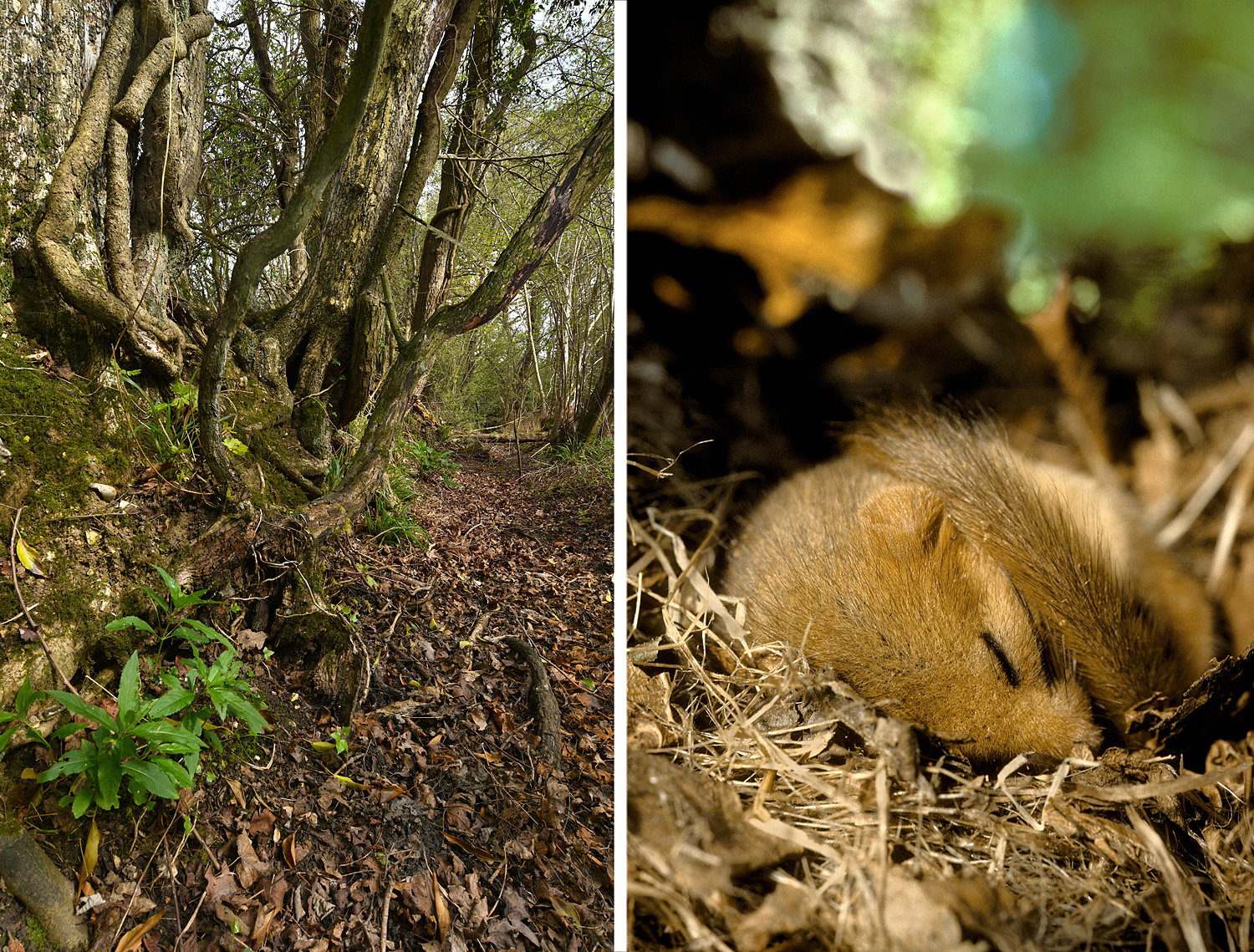
- The planting (with the provision for long-term husbandry) of hedgerows along the margins of all the compartments. These would connect, for example, adjacent tree belts where Hazel Dormice are known to occur with other woodland and existing hedgerows. Improved feeding and migration corridors for bats would be an added benefit.
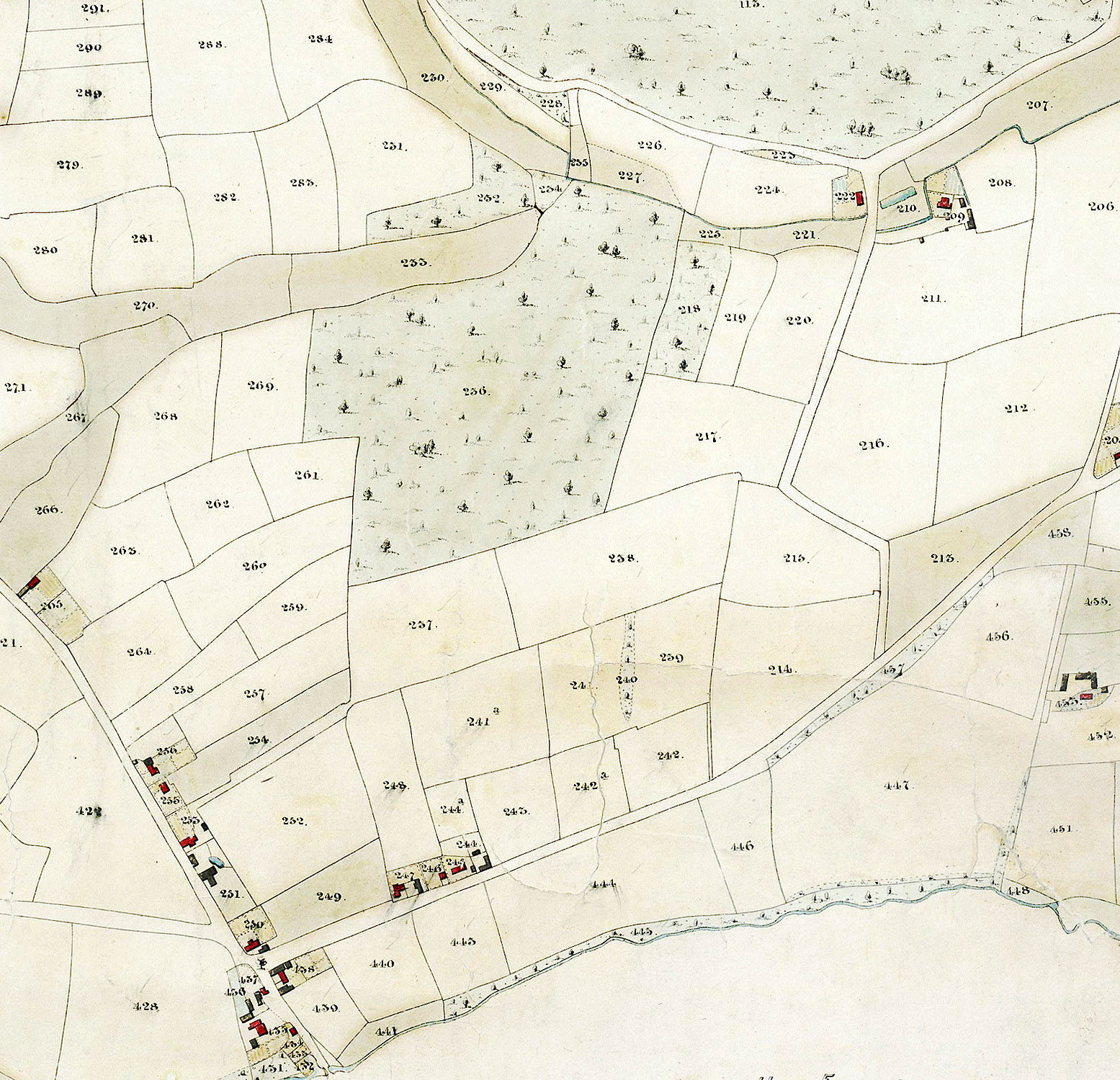
Above: part of the 1838 Pamber Tithe Map showing the field system and land use of the time on RWE’s Northern Parcel. Field boundaries would have been defined by hedgerows and this provides a blueprint of what that aspect of nature restoration might look like.
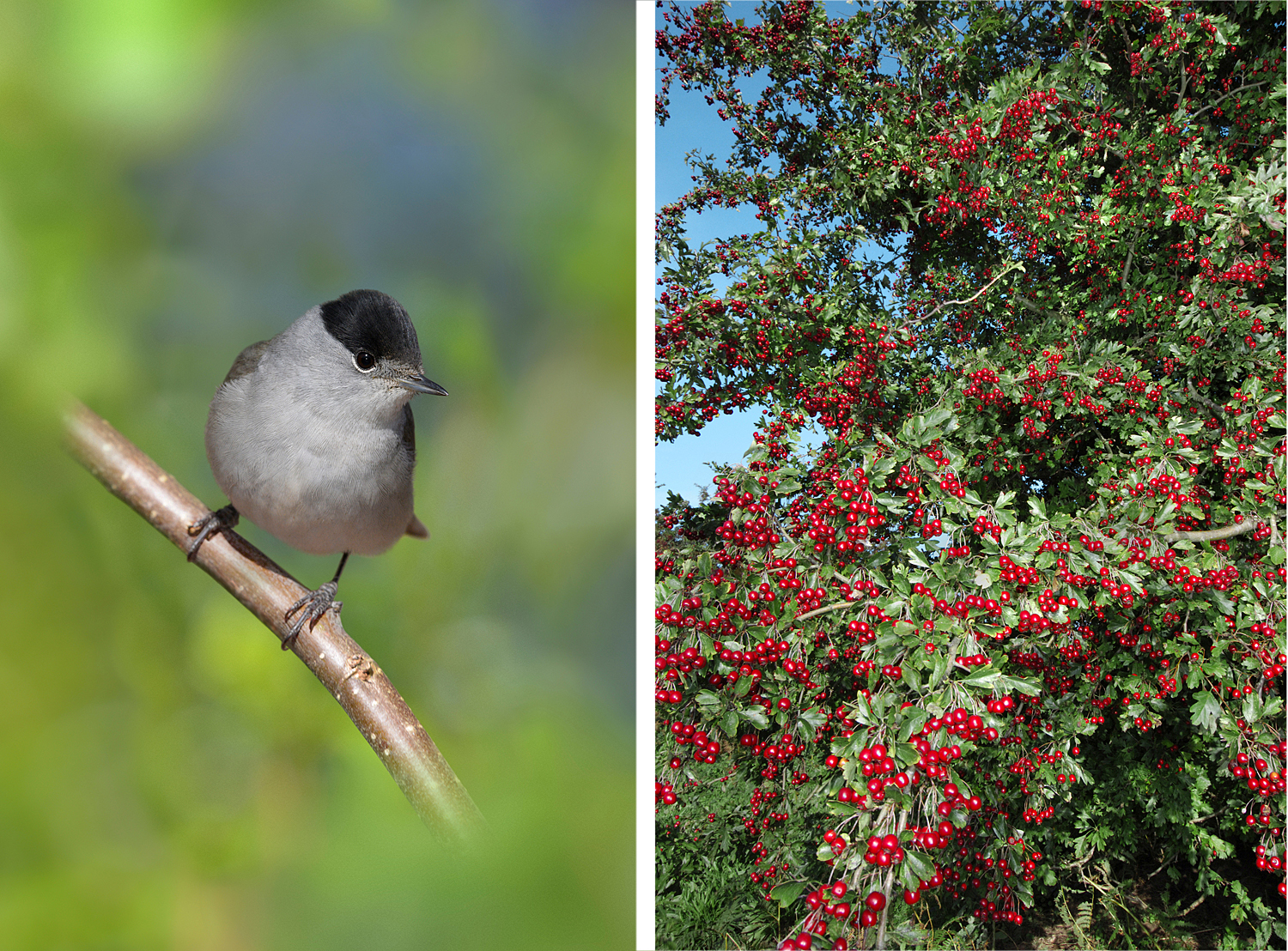
- Employ meaningful grassland creation and management practices that are relevant to local wildlife, rather creating the short-term illusion of biological health by scattering of a few gaudy annuals and generic perennials. Examples of best practice would be the creation of species-rich grassland using green hay from local donor sites. And light, seasonal grazing on a rotation pattern, using conservation stocking densities.
- Agree a long-term grassland management plan that involves prioritising the benefits to native wildlife over a conventional farming approach to grassland management.
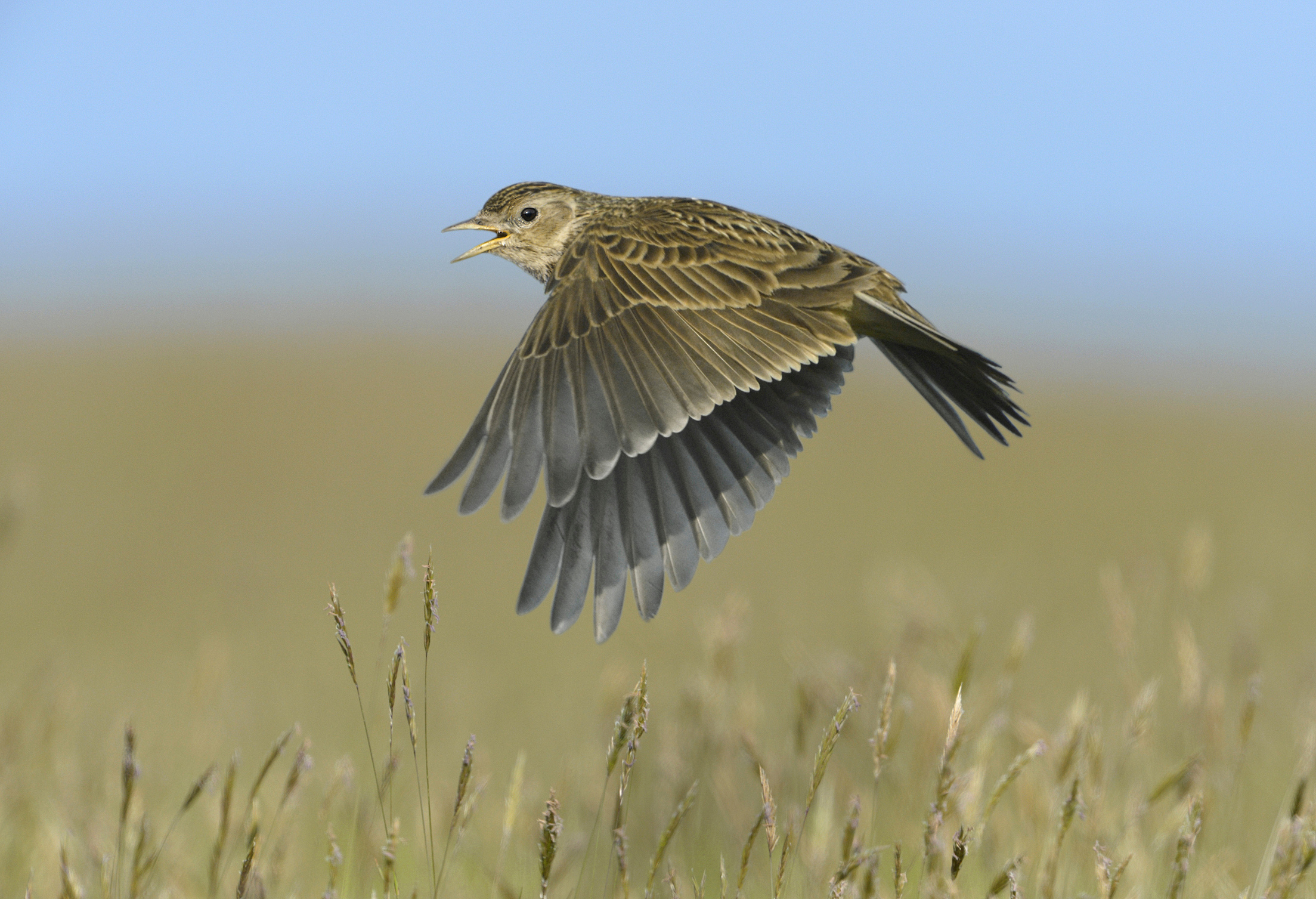
- Create appropriately-sized Skylark breeding plots within the site.
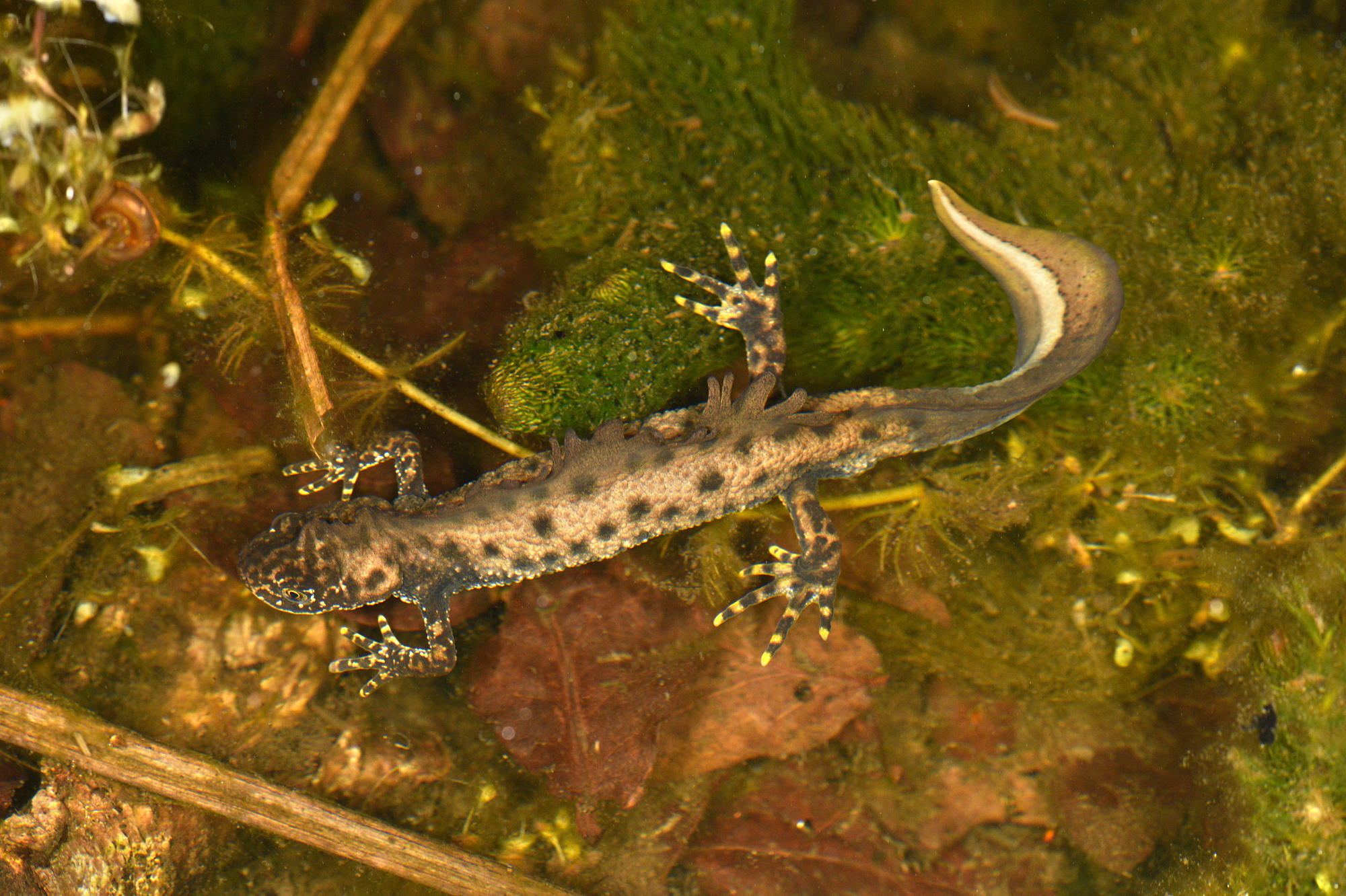
- Create ponds for Great Crested Newts and other amphibians, alongside the creation and maintenance of appropriate terrestrial habitats for amphibians.
- Adopt a plan for long-term monitoring of the site’s biodiversity status, identifying and quantifying net losses as well as gains.
- Crucially, involve a range of expert bodies not only in the planning stage but also in subsequent monitoring over the years. With funding where needed supplied by the developers. Expert bodies might include the Hampshire and Isle of Wight Wildlife Trust, Natural Basingstoke, the Botanical Society of Britain and Ireland, the charity Birds on the Brink and the Hampshire Ornithological Society.
Biodiversity Net Gain calculations
A requirement of the Environment Act 2021 is for a minimum 10% Biodiversity Net Gain to be achieved in association with all developments, including Solar Installations. To calculate the putative percentage associated with any development, spreadsheet calculations are involved. The calculations require, in part, the input of subjective assessments from developers and the system is a relative one. Anyone familiar with statistics will be unsurprised to learn that it works in favour of developers wishing to demonstrate Biodiversity Net Gain if the baseline starting point in these calculations is a biological clean slate when it comes to the land in question. Spraying the land into sterile submission is a good way to achieve this outcome.
It is interesting to examine whether the claim made by RWE of 50% Biodiversity Net Gain is a fair representation of the situation. Taking the field adjacent to my garden as an example, in recent years it has been intensively managed with the result that it now represents in essence a blank canvas for BNG calculations. Scatter a few seeds and plant a few saplings and of course the result will appear as Biodiversity Net Gain. But is it meaningful? That’s the real question.
The biodiversity in my garden meadow is a microcosm representation of what the Northern Parcel of RWE’s Solar Park field used to be like before it its use changed from hay meadow to intensively farmed land. There is an argument to say that my garden meadow’s biodiversity should be the baseline reference in any Biodiversity Net Gain calculations. As examples of the biodiversity my meadow harbours, more than 100 native flowering plant species are now present and more than 400 species of moth have been recorded over the last 10 years. In addition, ten species of grassland butterflies (all that could reasonably be expected) now breed in my garden meadow, at densities comparable to the best remaining sites in north Hampshire. By the way, nothing has been introduced to my meadow. I simply unlocked the latent biodiversity in the lawn by not mowing it, and the colonising force has been nature.
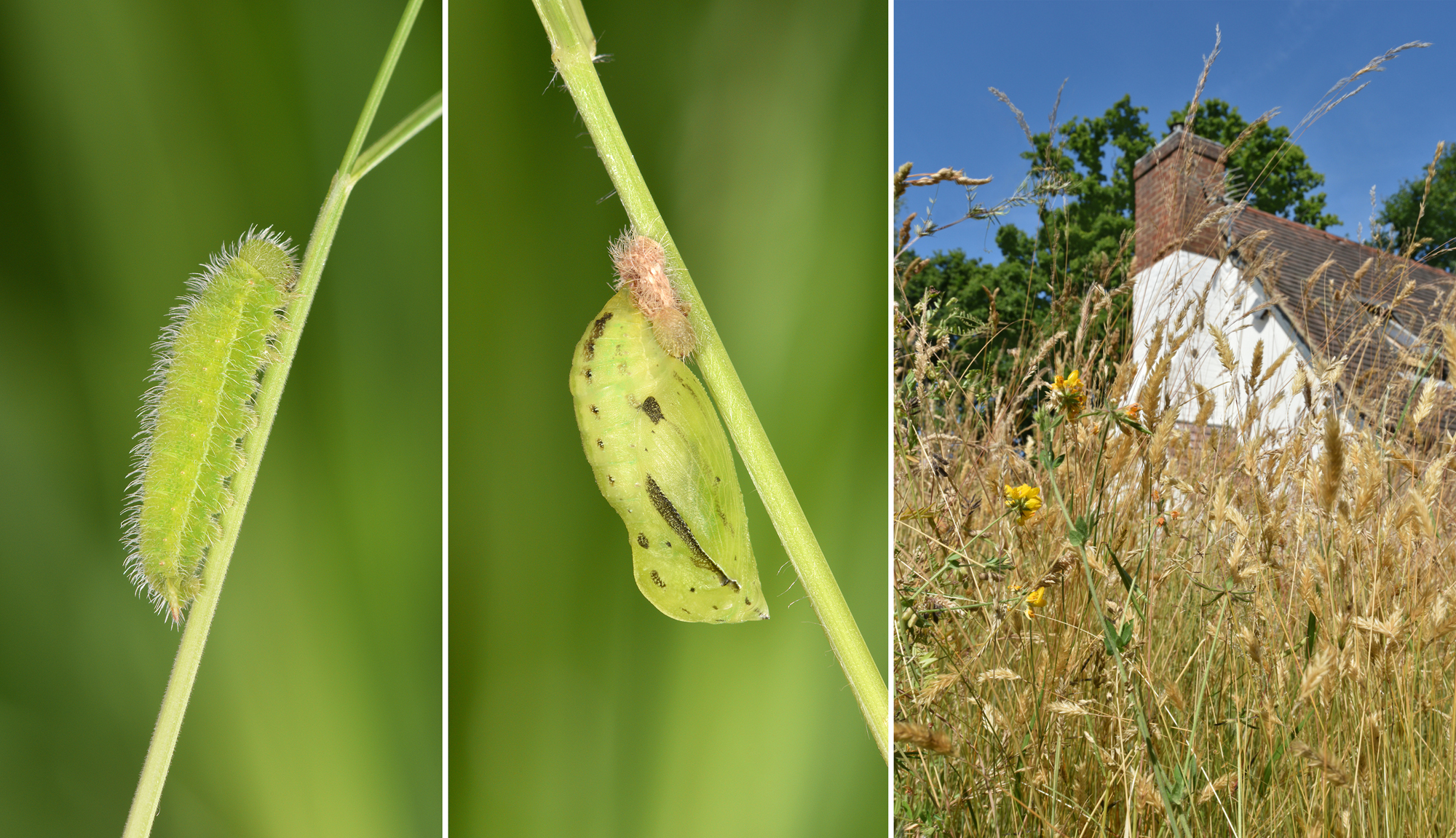
If my garden’s meadow biodiversity was seen as the benchmark for what nature recovery of the solar park Northern Parcel field should look like, I suspect it would take many years for it to recover. Nevertheless, that would be a worthy ambition and would deliver meaningful benefits to native wildlife in the long term. Use my garden meadow biodiversity as a baseline in any Biodiversity Net Gain calculations and I suspect RWE would struggle to demonstrate any gain at all.
A flawed system
Despite biodiversity promises and commitments made to satisfy planning requirements, I am only aware of a couple of cases where compliance has been checked and where monitoring occurs with regards to Solar Parks. Specifically, to check whether any meaningful Biodiversity Net Gain has actually been achieved.
A case study example of how energy companies promise one thing yet deliver another, and where landowners and councils have had the environmental wool pulled over their eyes, is provided by the nearby Hill End Farm Solar Farm project; the saga features in The Biodiversity Gardener and is the subject of a previous NPL Second Nature blog. Were it not for the determination of landowner James Bromhead, Octopus Energy would have continued to treat the vegetation under their solar panels as an annoyance rather than an asset. Rather than the flower-filled meadows that were promised, the recovering plant life was initially cut in the manner of golf course and subsequently sprayed routinely with weedkiller. The consequence of these actions was that nature recovery was thwarted.
Solar Park proposals often selectively champion the cause of what they refer to as pollinators – insects whose primary reason for visiting flowers is to feed on nectar, but which unwittingly transfer pollen from one flower to another and facilitate fertilisation. Among these, generic bumblebees, solitary bees and hoverflies are often cited as beneficiaries of planting flowers. All very laudable except these same proposals often add to the mix the introduction of hives of Honey Bees. What could be wrong with that you might ask?
In the context of Britain, the Honey Bee is a domesticated animal not a native species. At the height of summer, an average hive might contain 40,000 worker bees whose sole purpose in life is to collect nectar and pollen. Introduce a dozen hives to the mix and you have potentially hundreds of thousands of non-native Honey Bees competing with far lower numbers of recovering native insect species for the same resources. Native insect diversity will be the inevitable loser.
Conclusions
RWE has the opportunity to adopt a visionary approach to nature restoration, going ‘beyond compliance’ to use the jargon, and setting an evidence-based gold standard benchmark for environmental best practice. But only if they concentrate on meaningful nature restoration rather than being fixated on Biodiversity Net Gain statistics. Such an approach would become an example that other energy companies would feel obliged to follow. Let’s hope RWE recognises the opportunity for what it is.
 nplsecondnature.com